
When making buns, the ratio of yeast to flour is usually 1:100, which means 5 grams of yeast are used for every 500 grams of flour. The yeast ratio may be adjusted due to factors such as ambient temperature, dough type, and fermentation time. Yeast is a key raw material for the fermentation of steamed buns, and its dosage directly affects the dough expansion rate and the taste of the finished product. When the room temperature is high in summer, the microbial activity is strong, and it can be slightly reduced to about 4 grams to avoid rapid fermentation and sour taste; In low temperature environments during winter, it can be increased to 6 grams to help the dough fully expand. The use of high gluten flour requires an increase of 0.5-1 gram of yeast to enhance the gluten network support, while dough with added sugar, oil, and other additives requires an increase in yeast activity. The ratio can be adjusted to 1:80. In the secondary fermentation process, the amount of yeast used for the first fermentation can be reduced by 30%, while slow fermentation under refrigeration requires extending the fermentation time rather than increasing the amount of yeast.
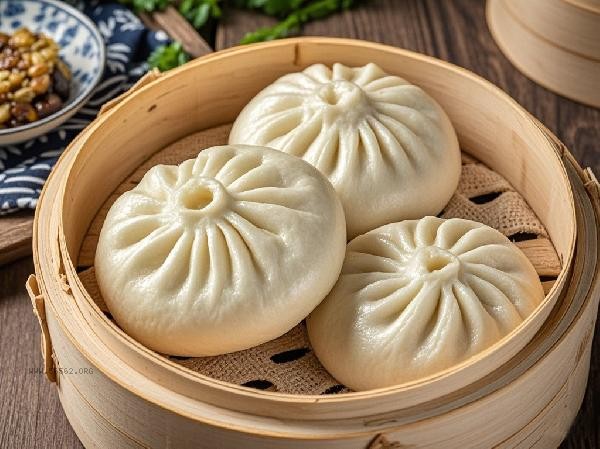
In special circumstances, the proportion needs to be flexibly adjusted. When using aged yeast or yeast that has been opened for too long, due to decreased activity, it is necessary to increase the dosage by 20% and activate it with a small amount of white sugar. When making mixed grain buns, bran can hinder the formation of gluten. It is recommended to increase the yeast ratio to 1:70. In high-altitude areas above 2000 meters, due to low air pressure, the efficiency of yeast gas production decreases, and it needs to be increased to 7-8 grams and used in conjunction with baking powder. If slow fermentation of the dough is found, yeast can be activated with warm water or 1 gram of white sugar can be added to provide nutrients, but it should not be excessive to avoid inhibiting yeast activity. In addition to controlling the yeast ratio, it is also important to maintain a water temperature of around 30 degrees Celsius to activate yeast activity when making buns. When kneading, water should be added in batches to avoid clumping, and the fermentation environment should be kept at 85% humidity to prevent skin cracking. After fermentation, it is necessary to knead the dough thoroughly and exhaust the air. When steaming, keep the water boiling to avoid collapse. It is recommended to record the yeast dosage, fermentation time, and final product effect during the first production, and gradually adjust the optimal ratio that is suitable for the local climate and flour characteristics. If continuous fermentation failure occurs, check whether the yeast has expired or replace it with a high activity dry yeast variety.
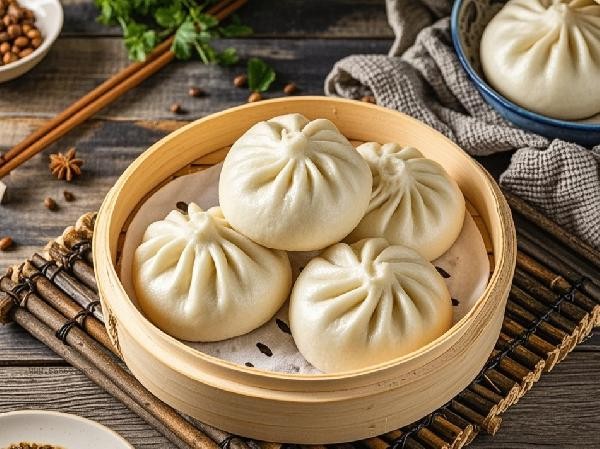
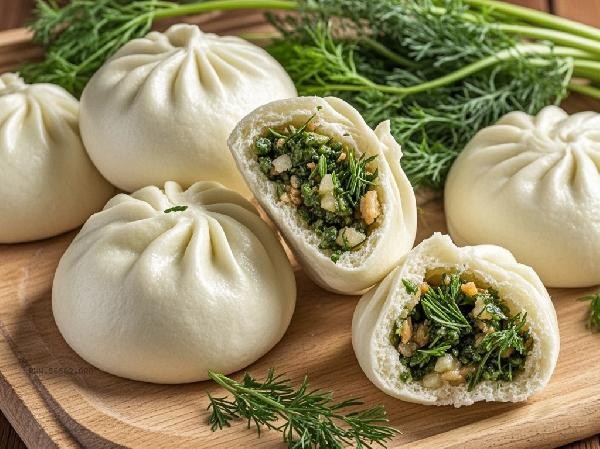








Comments (0)
Leave a Comment
No comments yet
Be the first to share your thoughts!