
Probiotic weight loss methods mainly assist in weight loss by regulating the balance of gut microbiota and promoting metabolism. Common methods include supplementing probiotic preparations, consuming fermented foods, and adjusting dietary structure. Probiotics may affect body weight by inhibiting fat absorption, reducing inflammatory reactions, and other mechanisms, but they need to be combined with exercise and calorie control to achieve the desired effect.
1. Supplementing probiotic preparations
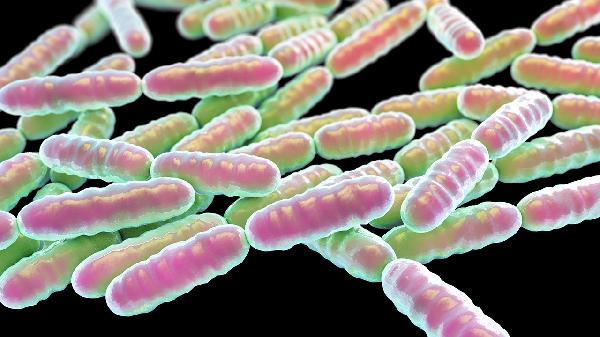
Specific strains of probiotic preparations such as Bifidobacterium lactis and Lactobacillus acidophilus may help improve the intestinal environment. This type of strain can inhibit the overgrowth of pathogenic bacteria, reduce intestinal mucosal inflammation, and thus lower the probability of fat accumulation. When using, products labeled with clear bacterial strains should be selected and avoid co administration with antibiotics. It should be noted that probiotics have individual differences in their weight loss effects and cannot replace conventional weight loss methods.
2. Edible fermented foods
Natural fermented foods such as sugar free yogurt, kimchi, kombucha, etc. contain active probiotics. The short chain fatty acids in these foods can enhance satiety, regulate blood sugar fluctuations, and indirectly reduce calorie intake. It is recommended to consume 1-2 servings of fermented foods daily, but choose low salt and low sugar varieties. People with gastrointestinal sensitivity should start with small amounts to avoid bloating and discomfort.
3. Increase dietary fiber intake
Whole grains, legumes, and other foods rich in dietary fiber are substrates for the proliferation of probiotics. Water soluble fibers, after fermentation by microbial communities, produce substances such as butyric acid, which can improve insulin sensitivity and promote fat breakdown. It is recommended to consume 25-30 grams of dietary fiber per day and drink plenty of water. Sudden and significant increase in fiber may cause gastrointestinal discomfort, which needs to be gradually addressed.
4. Control refined carbohydrates
Reducing the intake of refined sugars and refined white rice flour can avoid excessive proliferation of harmful bacteria. A high sugar diet can disrupt the balance of gut microbiota, causing endotoxins to enter the bloodstream and trigger chronic inflammation, thereby interfering with leptin signaling. It is recommended to replace some refined carbohydrates with low glycemic index staple foods such as brown rice and oats, while also pairing them with protein foods to slow down blood sugar rise.
5. Combined with aerobic exercise [SEP], regular exercise can synergistically enhance the weight loss effect with probiotics. Aerobic exercise such as brisk walking, swimming, etc. can increase the diversity of gut microbiota and promote the proliferation of specific strains such as Akmansia, which are closely related to fat metabolism. It is recommended to engage in 150 minutes of moderate intensity exercise per week, and supplementing with foods containing probiotics in moderation after exercise can help with microbial colonization. Probiotic weight loss requires long-term persistence and integration with lifestyle adjustments. Daily intake of different types of fermented foods can be alternated to ensure bacterial diversity and avoid single supplementation. During the weight loss period, it is recommended to record changes in diet and weight. If there is persistent gastrointestinal discomfort or a plateau in weight, it is necessary to consult a nutritionist in a timely manner to adjust the plan. It should be clarified that probiotics are not effective weight loss drugs, and their effects are based on the overall calorie deficit and should not be overly relied upon.








Comments (0)
Leave a Comment
No comments yet
Be the first to share your thoughts!