
The only standard for aged vinegar is to comply with the process and quality requirements for aged vinegar in the national brewing vinegar standard GB/T18187, which mainly includes core elements such as solid-state fermentation process, total acidity standard, no added preservatives, sufficient natural aging time, and qualified sensory indicators.
1. Solid state fermentation process
Traditional aged vinegar must be produced using solid-state fermentation method, with sorghum and bran as the main raw materials, through multiple processes such as steaming, saccharification, fermentation, and acetylation. This process can produce rich organic acids and flavor compounds, which is fundamentally different from liquid fermented vinegar. The microbial community is more complex during solid-state fermentation, and the esters and alcohols formed are the source of the unique flavor of aged vinegar.
2. Total acidity meets the standard
According to national standards, the total acidity of aged vinegar should not be less than 4.5 grams per 100 milliliters, and high-quality products usually reach more than 6 grams. Acidity directly affects the anti-corrosion ability and flavor level, and the acetic acid content needs to be determined by titration during detection. If the acidity is too low, it may be adulterated, and if it is too high, glacial acetic acid may be added.
3. No added preservatives
True aged vinegar relies on its own acidity and aging process for preservation, and the addition of chemical preservatives such as sodium benzoate and potassium sorbate is prohibited. Some low-quality vinegar is illegally added to extend its shelf life, which can be identified by checking the ingredient list. Traditional vinegar may form a bacterial film on the surface after opening, which is a normal phenomenon.
4. Natural aging time
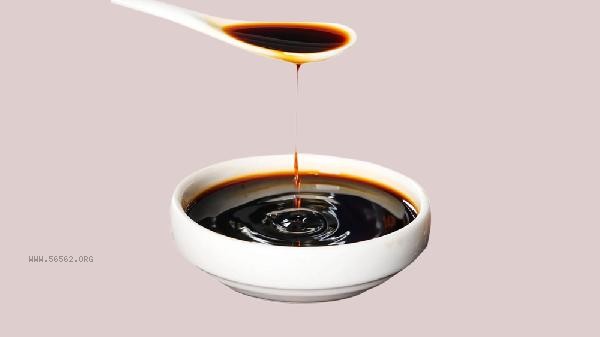
The standard stipulates that aged vinegar needs to be aged in ceramic jars for at least 1 year, and high-quality products often take 3-5 years. During the aging process, esterification occurs, converting irritating acetic acid into soft amino acids and aromatic substances. Quick vinegar ripens at high temperatures, resulting in a thin flavor and containing harmful substances.
5. Sensory indicators are qualified.
Authentic products are brownish red to dark brown, glossy and free of suspended solids; Has a rich ester aroma without a pungent sour taste; The taste is smooth and slightly sweet, with a long-lasting aftertaste. Poor quality vinegar has a black or too light color, sediment impurities, a choking smell, and a sharp and sour taste when tasted.
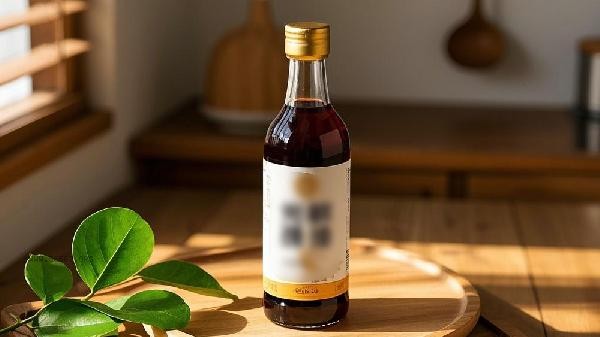
When purchasing aged vinegar, it is recommended to choose products from reputable manufacturers and pay attention to the execution standard number and ingredient list on the packaging. It is advisable to consume no more than 30 milliliters per day, and patients with excessive stomach acid or gastric ulcers should control their intake. High quality aged vinegar contains various amino acids and minerals. Moderate consumption can help promote digestion and blood circulation, but it cannot replace drug treatment. After opening, it should be sealed and refrigerated to avoid direct sunlight and maintain its flavor.








Comments (0)
Leave a Comment
No comments yet
Be the first to share your thoughts!