
The national standards for soy sauce are mainly based on GB2717-2018 national food safety standards for soy sauce and GB/T18186-2000 brewing soy sauce, covering sensory indicators, physicochemical indicators, microbial limits, and food additive usage specifications.

1. Sensory indicators
The color of soy sauce should be reddish brown or brownish brown, with a unique aroma of soy sauce and no unpleasant odors. Liquid soy sauce should be clear and free of sediment, while solid soy sauce should meet the corresponding morphological standards. Sensory evaluation includes four aspects: color, aroma, taste, and body shape. Unqualified products are prohibited from being sold on the market.
2. Physical and chemical indicators
The standard stipulates that the amino acid nitrogen content shall not be less than 0.4g/100mL, and the special grade soy sauce shall reach 0.8g/100mL or more. The total acid content should be controlled within 2.5g/100mL, and the salt content should not exceed 18g/100mL. There are also clear limits for indicators such as reducing sugar and total nitrogen to ensure the basic nutritional characteristics of the product.
3. Microbial limit
The total number of bacteria in each milliliter of soy sauce should be less than 30000 CFU, the coliform group should not exceed 30 MPN/100mL, and pathogenic bacteria such as Salmonella and Staphylococcus aureus should not be detected. Instant soy sauce needs to meet stricter commercial aseptic requirements to ensure food safety.
4. Food Additives
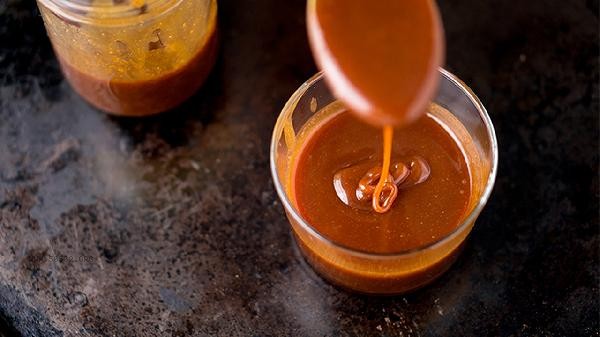
allows the addition of limited types of food additives such as caramel color and sodium benzoate, but the dosage must comply with GB2760 regulations. It is prohibited to add non edible substances such as trichloropropanol, and the amount of preservatives used must be less than 0.5g/kg. Soy sauce preparation requires clear labeling of additive information on the label.
5. Production process
Soy sauce must be made from raw materials such as soybeans and wheat through microbial fermentation, with a fermentation period of not less than 3 months. The preparation process of soy sauce should be indicated, and acid hydrolyzed plant protein seasoning solution should not be used to impersonate brewed soy sauce. The standard provides technical guidance for raw material pretreatment, fermentation, sterilization, and other processes.
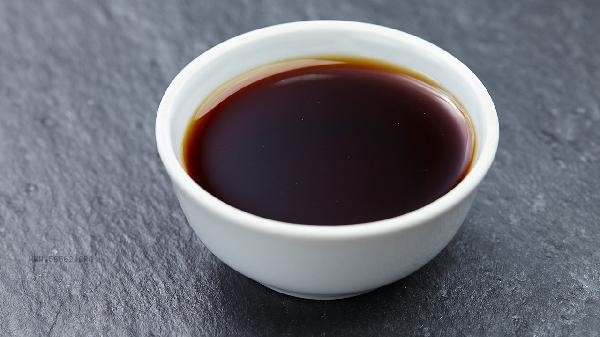
When choosing soy sauce, you should check the product's execution standard number and prioritize brewing soy sauce with high amino acid nitrogen content. After opening, it should be refrigerated to avoid mold growth. Hypertensive patients should choose low salt products. In daily cooking, vinegar or lemon juice can be used to reduce sodium intake, and attention should be paid to checking the ingredient list to avoid allergens. It is recommended to purchase soy sauce products with SC certification through formal channels to ensure compliance with national food safety standards.








Comments (0)
Leave a Comment
No comments yet
Be the first to share your thoughts!