
The temperature for ordering tofu is generally controlled at 70-80 degrees Celsius, which is the most suitable. Excessive temperature may cause protein denaturation and affect taste, while low temperature may make it difficult to fully solidify.
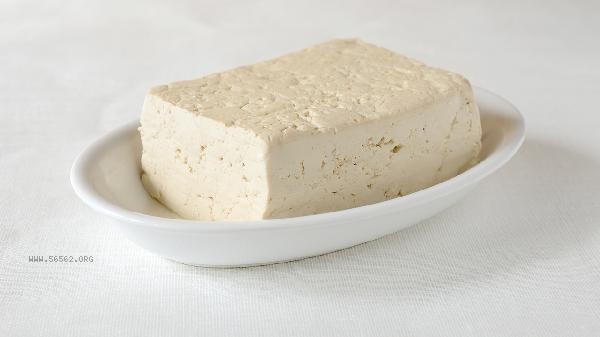
In the process of making tofu, when soybean milk is heated to 70-80 ℃, the coagulant is the best. This temperature range can moderately denature soy protein, forming a uniform and fine mesh structure, making tofu texture delicate and elastic. Both traditional salted tofu and gypsum tofu are suitable for this temperature range, where the reaction rate between the coagulant and protein is moderate, which is beneficial for preserving the natural aroma of soybeans. If the temperature exceeds 85 degrees Celsius, proteins will quickly and excessively condense, producing rough pores, and the finished product is prone to honeycomb or dehydration shrinkage. If the temperature is below 65 degrees Celsius, the reaction will be slow and incomplete solidification will cause tofu to become loose and fragile.
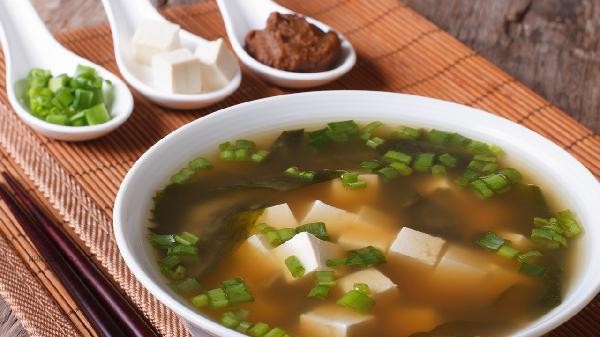
In special circumstances, the temperature can be appropriately increased to 85 degrees Celsius to make aged tofu. The high temperature can make the protein crosslink more tightly, but the time needs to be strictly controlled to avoid hardening. Some processes require a lower temperature of 60 degrees Celsius to make tender tofu, which requires increasing the concentration of coagulants or extending the settling time. Temperature control also needs to consider factors such as water hardness and soybean milk concentration. When the water quality is hard, it can increase by about 5 degrees Celsius. When the soybean milk concentration is high, it needs to reduce the temperature accordingly. When making tofu, in addition to controlling the temperature, it is recommended to use fresh non GMO soybeans and adjust the soaking time to 6-12 hours according to the season. After pouring the paste, let it stand for 20-30 minutes before pressing it into shape. The pressing force should be adjusted according to the type of tofu. For daily consumption, tofu made with different coagulants can be rotated for consumption. Gypsum tofu has a higher calcium content, brine tofu is more magnesium rich, and gluconic acid lactone tofu is suitable for people with weak digestion. People with soy allergies should avoid consumption, and those with renal insufficiency should control their intake.








Comments (0)
Leave a Comment
No comments yet
Be the first to share your thoughts!