
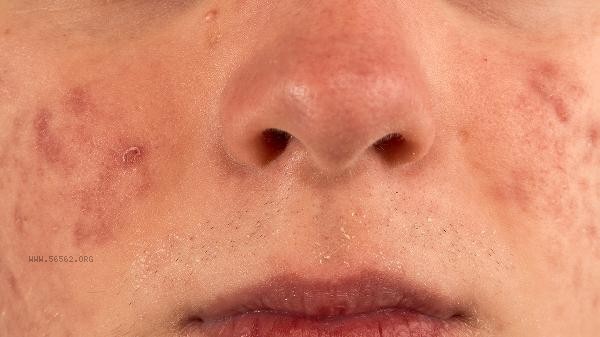
Long pimples on the face can be improved by adjusting diet, maintaining cleanliness, using external medications, taking oral medications, and medical beauty treatments. T-zone acne is usually related to factors such as excessive sebum secretion, abnormal follicular keratinization, and Propionibacterium acnes infection.

1. Adjusting diet
Reducing the intake of high sugar and high-fat foods can help control sebum secretion. It is recommended to increase the intake of vegetables, fruits, and whole grains, and avoid dairy products and spicy and stimulating foods. Drink at least 1500 milliliters of water daily to help eliminate metabolic waste.
2. Keep clean
Use mild amino acid cleansing products to clean the T-zone twice a day to avoid excessive cleaning that may damage the barrier. After cleaning, use oil control and moisturizing products in a timely manner, and choose skincare products containing zinc or salicylic acid ingredients. Avoid frequent touching of the face with your hands.
3. The topical drug
retinoic acid cream can improve hair follicle keratinization. Peroxybenzoyl gel can kill Propionibacterium acnes. Clindamycin phosphate gel has anti-inflammatory effect. These drugs need to be used under the guidance of a doctor, and there may be slight irritation reactions in the initial stage.
4. Oral medication
Doxycycline tablets are suitable for patients with obvious inflammation, isotretinoin soft capsules are used for severe acne, and spironolactone tablets can regulate androgen levels. Oral medication should strictly follow medical advice, pay attention to monitoring liver function and blood lipid changes, and women of childbearing age should use contraception.
5. Medical beauty treatment
Red and blue light therapy can kill bacteria and reduce inflammation, fruit acid peels can promote keratin metabolism, and photodynamic therapy is suitable for stubborn acne. Medical beauty treatment should be carried out in professional institutions, and after treatment, it is necessary to strengthen sun protection and moisturizing care, avoid exposure to sunlight and makeup. Improving T-zone acne requires comprehensive management, in addition to the above methods, attention should also be paid to regular sleep and stress reduction. Ensure 7-8 hours of sleep every day, avoid staying up late and feeling mentally tense. Choose non acne prone sunscreen products and change pillowcases every week. If acne continues to worsen or leaves obvious scars, it is recommended to seek medical attention at a dermatologist in a timely manner. During treatment, avoid self squeezing acne to prevent infection and pigmentation. Establishing long-term skincare habits is more important than short-term aggressive treatment, and persisting for 3-6 months can lead to significant improvement.




Comments (0)
Leave a Comment
No comments yet
Be the first to share your thoughts!