
The healthiest dietary methods for weight loss mainly include controlling total calorie intake, increasing dietary fiber intake, choosing low glycemic index foods, ensuring high-quality protein intake, supplementing vitamins and minerals, etc.
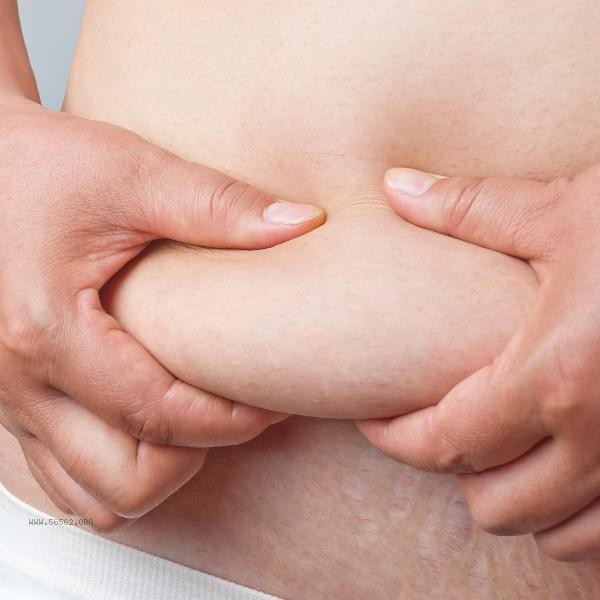
1. Control total calorie intake
Daily calorie intake should be slightly lower than basal metabolic requirements. It is recommended to reduce high sugar and high-fat foods and replace refined rice and flour with coarse grains. Keeping a food diary can help control and avoid overeating. Long term negative heat balance may lead to muscle loss and requires moderate exercise.
2. Increase dietary fiber intake
Daily intake of 25-30 grams of dietary fiber is recommended, including oats, broccoli, chia seeds, and other foods. Dietary fiber can delay gastric emptying, increase satiety, and regulate gut microbiota. Suddenly increasing fiber intake in large quantities may cause bloating and should be done gradually.
3. Choose low glycemic index foods
Prioritize foods with a GI value below 55, such as whole wheat bread, beans, apples, etc. Low GI foods can stabilize blood sugar levels and reduce fat synthesis. Pay attention to how food is processed, which can affect the GI value, such as cooked carrots having a higher GI than raw food.
4. Ensure high-quality protein intake
1.2-1.6 grams of protein per kilogram of body weight per day, recommended for chicken breast, fish, soybeans, etc. Adequate protein helps maintain muscle mass and enhance the caloric effect of food. Individuals with renal dysfunction should control protein intake under the guidance of a doctor.
5. Supplement vitamins and minerals
Focus on supplementing B vitamins, vitamin D, calcium, magnesium, zinc, etc., which can be obtained through dark vegetables, nuts, dairy products, etc. These nutrients are involved in energy metabolism, and their deficiency may affect weight loss effectiveness. Fat soluble vitamins should be avoided from excessive supplementation.
Dietary therapy for weight loss requires establishing long-term sustainable eating habits and avoiding extreme dieting. It is recommended to lose no more than 0.5-1 kilogram per week and engage in 150 minutes of moderate intensity exercise per week. Regularly monitor indicators such as body fat percentage, and adjust the plan promptly if discomfort such as fatigue and dizziness occurs. During weight loss, it is important to ensure 7-8 hours of sleep per day and manage stress levels.








Comments (0)
Leave a Comment
No comments yet
Be the first to share your thoughts!