
Banana bagging is mainly used to reduce pests and diseases, prevent mechanical damage, regulate temperature and humidity, promote uniform fruit ripening, and improve appearance quality.
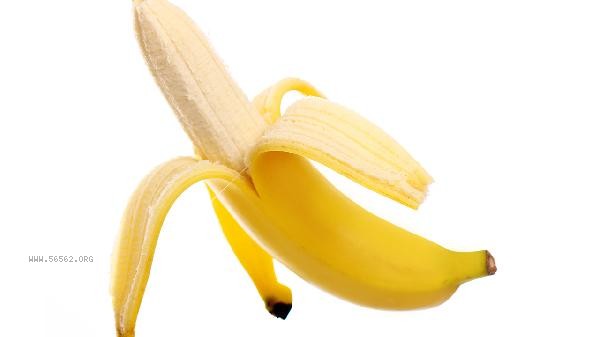
1. Reducing pests and diseases
Bagging can effectively isolate direct contact of pests and reduce the probability of fruit being eaten or infected by pathogens. Common pests such as banana weevils and thrips have difficulty penetrating the bag, and fungal diseases such as anthrax are also suppressed due to controlled humidity. Before bagging, it is necessary to spray low toxicity fungicides for better dual protection effect.
2. Preventing mechanical damage
Bananas are prone to skin abrasions caused by wind and rain friction or scratching of branches and leaves during their growth period. Bagging can cushion external impacts. Especially in areas prone to typhoons, it can prevent fruit from leaving scars due to swaying and colliding with tree branches, maintain the smoothness and integrity of the fruit surface, and reduce the loss rate during transportation.
3. Adjusting Temperature and Humidity
The specialized banana bag has a microporous structure, which can not only prevent burns caused by high temperature sun exposure, but also maintain suitable humidity inside the bag. Bagging in winter can prevent frost, while in summer it can lower the surface temperature of the fruit, slow down the ripening process, and avoid sudden cold and heat that can cause cracking of the skin or stiff fruit.
4. Promote uniform ripening
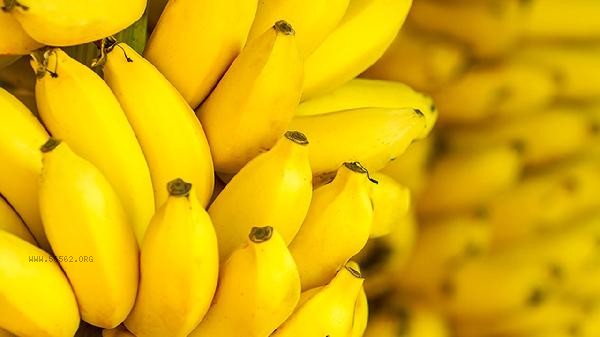
The microenvironment formed after bagging allows bananas to receive even light and reduces differences between yin and yang surfaces. The ethylene gas inside the bag is relatively concentrated, which helps the whole fruit to soften and turn yellow synchronously, avoiding uneven yellowing. At the same time, it can block some ultraviolet rays and prevent local overripe spots caused by premature maturation.
5. Improve appearance quality
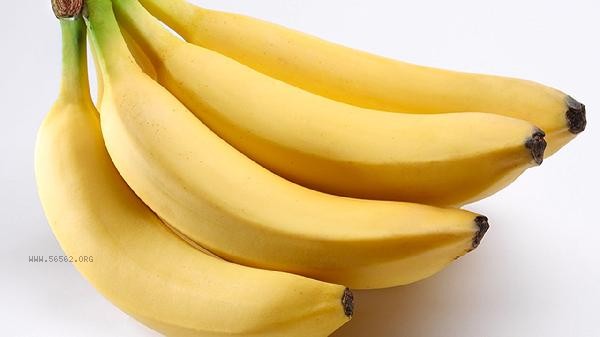
Isolate dust and pesticide residues from directly adhering, making the skin cleaner and more shiny. Bagged bananas are usually bright and uniform in color, without rust or drug stains, and have a higher product grade. Bags made of partially reflective materials can also enhance the yellow saturation of fruits, meeting the demands of the high-end market.
When purchasing bagged bananas in daily life, it is recommended to observe whether the bag body is intact and undamaged, and whether the fruit stem is well sealed to reduce the risk of contamination. Before consumption, it should still be thoroughly cleaned as bagging may leave a small amount of pesticides or dust. The planting end needs to choose bags of different thicknesses and materials according to the season. Non woven bags with strong breathability are suitable for hot areas, while PE bags with good waterproof performance are needed during the rainy season. Reasonable bagging can significantly reduce the use of chemical agents and is one of the important measures for green planting.








Comments (0)
Leave a Comment
No comments yet
Be the first to share your thoughts!