
The fastest and most effective methods for weight loss mainly include controlling diet, increasing exercise, adjusting daily routine, medication treatment, surgical treatment, etc. Losing weight requires selecting an appropriate method based on individual circumstances, and it is recommended to do so under the guidance of a doctor or nutritionist.
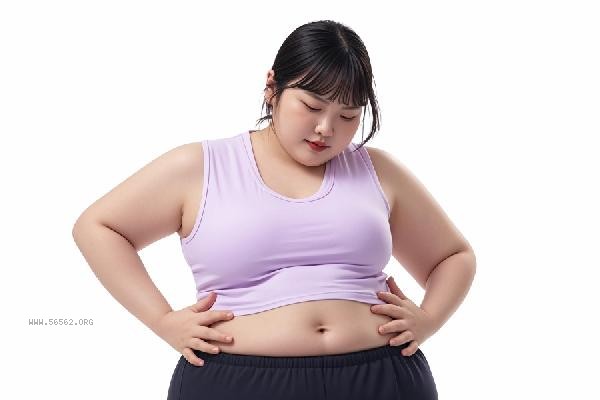
1. Control diet
Reduce the intake of high calorie, high-fat, and high sugar foods, and increase foods rich in dietary fiber such as vegetables, fruits, and whole grains. Avoid overeating and limit each meal to around 70% full. You can choose low calorie foods instead of high calorie foods, such as replacing pork with chicken breast and white rice with brown rice. Dietary control requires long-term persistence and excessive dieting should not be allowed to avoid malnutrition.
2. Increase Exercise
Aerobic exercise such as running, swimming, cycling, etc. can help burn fat, done at least 3-5 times a week for 30-60 minutes each time. Strength training such as weightlifting, push ups, etc. can increase muscle mass and improve basal metabolic rate. The intensity of exercise should be gradually increased to avoid injuries caused by sudden intense exercise. Proper hydration and protein supplementation after exercise can help restore physical strength.
3. Adjust your schedule
Ensure sufficient sleep, with a minimum of 7 hours of sleep per day. Lack of sleep can lead to hormonal imbalances and increase appetite. Avoid staying up late and try to fall asleep before 11pm at night. A regular schedule helps maintain normal metabolic levels and reduce fat accumulation. Exercise appropriately during the day and avoid prolonged sitting.
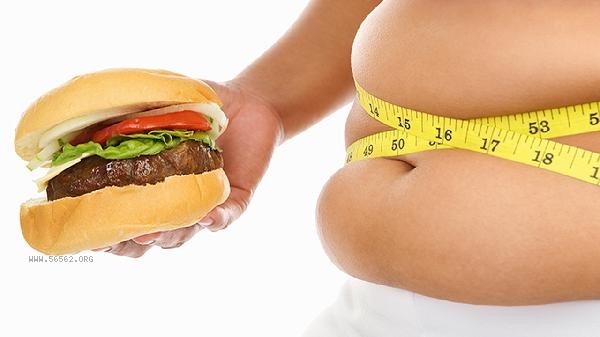
4. Medication therapy
Under the guidance of a doctor, weight loss can be assisted with drugs such as Orlistat capsules, Fentemine hydrochloride tablets, Liraglutide injection, etc. These drugs mainly achieve weight loss effects by inhibiting fat absorption, reducing appetite, or increasing energy expenditure. Drug treatment must strictly follow medical advice and should not be purchased or used on one's own to avoid side effects.
5. Surgical treatment
For severely obese patients, weight loss surgeries such as gastric sleeve resection and gastric bypass surgery can be considered. Surgery restricts food intake and absorption by reducing gastric capacity or altering the structure of the digestive tract. Surgical treatment requires assessment of surgical risks and postoperative management, as well as long-term follow-up and lifestyle adjustments after surgery. Losing weight is a long-term process that requires a combination of diet, exercise, and daily routine. Rapid weight loss may lead to rebound or health problems. It is recommended to develop a reasonable weight loss plan that progresses gradually. During the weight loss period, regular monitoring of weight and physical indicators should be carried out, and if there is any discomfort, medical attention should be sought in a timely manner. Maintaining a positive mindset, avoiding excessive anxiety, and adopting a healthy lifestyle are the long-term solutions.








Comments (0)
Leave a Comment
No comments yet
Be the first to share your thoughts!