
The fastest and most effective methods for weight loss mainly include controlling diet, increasing exercise, adjusting daily routine, medication treatment, surgical treatment, etc. Weight loss requires selecting appropriate methods based on individual circumstances, and it is recommended to do so under the guidance of a doctor.
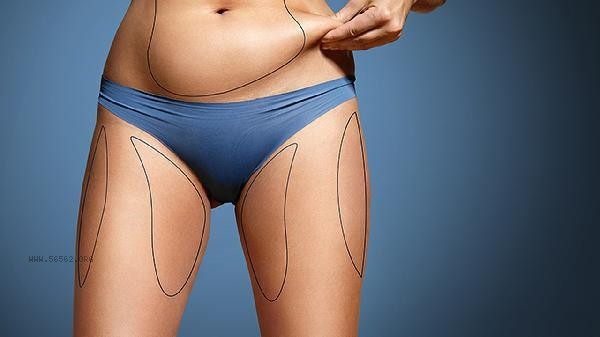
1. Diet Control
Diet control is the foundation of weight loss, which requires reducing the intake of high calorie, high-fat, and high sugar foods, and increasing the intake of vegetables, fruits, and high-quality protein. You can adopt a small amount of multiple meals to avoid overeating. Dietary control requires long-term persistence to avoid excessive dieting leading to malnutrition.
2. Increase Exercise
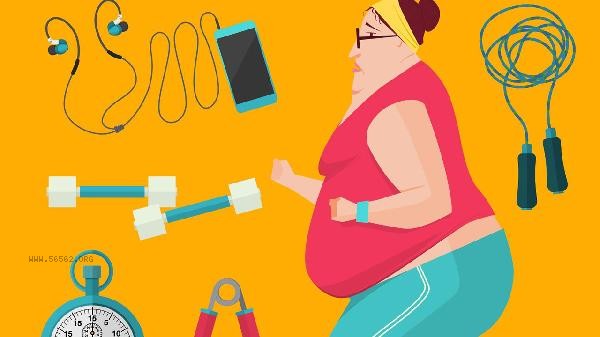
Increasing exercise can help burn excess calories and promote fat burning. You can choose aerobic exercise such as running, swimming, cycling, etc., 3-5 times a week for 30-60 minutes each time. It can also be combined with strength training to increase muscle mass and improve basal metabolic rate. Exercise needs to be gradual and avoid injuries caused by excessive exercise.
3. Adjusting your schedule
Maintaining a regular schedule helps regulate your endocrine system and promote metabolism. It is recommended to ensure 7-8 hours of sleep every day and avoid staying up late. When stress is too high, it can be relieved through meditation, deep breathing, and other methods to reduce stress eating. Good sleep habits can help maintain a healthy weight.
4. Medication therapy
Under the guidance of a doctor, medications such as Orlistat capsules, Liraglutide injection, and Metformin hydrochloride tablets can be used to assist in weight loss. These drugs mainly exert their effects by inhibiting fat absorption, increasing satiety, and improving insulin resistance. Drug therapy requires strict adherence to medical advice and cannot be used on one's own.
5. Surgical treatment
For severely obese patients, weight loss surgeries such as gastric sleeve resection and gastric bypass surgery can be considered. Surgery achieves weight loss by altering gastric capacity or digestive absorption function. Surgical treatment requires strict evaluation of indications and contraindications, as well as long-term follow-up and lifestyle management after surgery. Losing weight is a long-term process that requires a combination of factors such as diet, exercise, and lifestyle. Suggest developing a reasonable weight loss plan to avoid pursuing rapid weight loss and causing health problems. During weight loss, regular monitoring of weight changes is recommended, and if necessary, seek guidance from a professional doctor. Maintaining a healthy lifestyle is the key to maintaining an ideal weight, and even after successful weight loss, it is still important to pay attention to maintaining dietary and exercise habits.








Comments (0)
Leave a Comment
No comments yet
Be the first to share your thoughts!