
After mixing baking soda with white vinegar, a neutralization reaction occurs, generating carbon dioxide gas and sodium acetate solution. It is commonly used for cleaning or simple experiments, but has no clear health benefits. The mixture of the two may have a temporary cleaning effect, but it is not suitable for routine dietary or medical use. The chemical name of baking soda powder is sodium bicarbonate, and the main component of white vinegar is acetic acid. When the two are mixed, acid-base neutralization occurs, and the released bubbles can help decompose some dirt, making it suitable for cleaning kitchen oil stains or drainage pipes. Attention should be paid to proportion control when using at home. Excessive mixing may cause solution splashing. It is recommended to operate in a ventilated environment. After cleaning, rinse thoroughly with clean water to prevent residue from corroding the surface. The claim circulating online that drinking soda vinegar water can regulate acid-base constitution lacks scientific basis. The acid-base balance in the human body is autonomously regulated by the kidneys and respiratory system, and cannot be altered through diet. Excessive intake of sodium bicarbonate may cause bloating and alkalosis, while acetic acid may irritate the gastrointestinal mucosa. Special populations such as gastric ulcer patients and hypokalemia should avoid trying to prevent worsening of the condition.
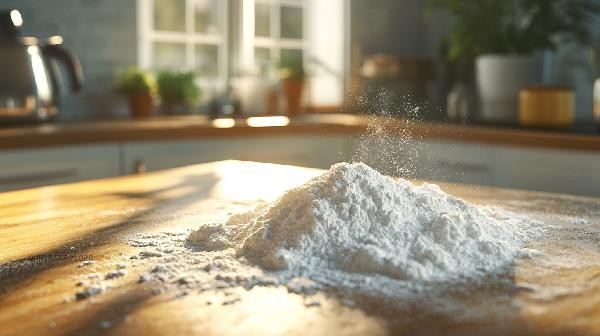
For daily cleaning, try a reasonable combination of baking soda and white vinegar, but avoid corrosive materials such as metal and marble. If it is necessary to regulate gastrointestinal function, it is recommended to supplement probiotics or dietary fiber through a balanced diet. If necessary, any folk remedies involving oral administration should be consulted with caution to avoid blindly following the trend and using unverified mixtures. Clinically validated safety protocols should be prioritized.








Comments (0)
Leave a Comment
No comments yet
Be the first to share your thoughts!