
The main difference between smoked vinegar and aged vinegar lies in the production process and flavor characteristics. Smoked vinegar is made on the basis of aged vinegar through smoking technology, with a unique smoky aroma; Aged vinegar is a traditional solid-state fermented vinegar with a rich and mellow sour taste. There are differences between the two in terms of raw material selection, fermentation cycle, and applicable scenarios.

1. Production Process
Smoked vinegar requires adding a pine wood smoking process after the aging vinegar is brewed. The vinegar mash is placed in a smoking tank and smoked over low heat for several days to allow the vinegar body to absorb the wood aroma. Aged vinegar is made from raw materials such as sorghum and bran through steaming, saccharification, fermentation, acetylation, and long-term aging. Shanxi aged vinegar requires a unique process of summer sun drying and winter ice harvesting.
II. Sensory Characteristics
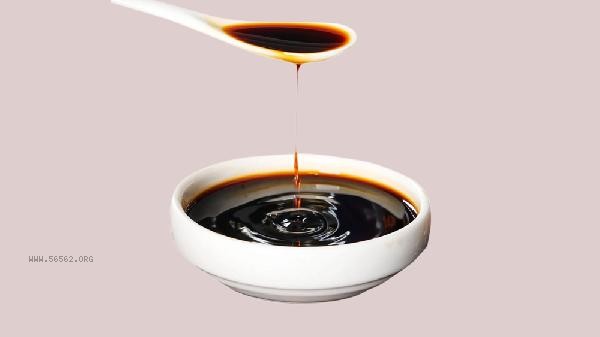
Smoked vinegar presents a deep amber color with a smoky burnt aroma, with relatively mild acidity accompanied by a light woody aroma. The color of aged vinegar is brownish black and transparent, with a strong ester and sauce aroma. It has a strong sour taste but a noticeable aftertaste. High quality aged vinegar can be pulled out into thin and long vinegar strands.
III. Nutrients
Both contain abundant organic acids and amino acids, but vinegar fumigation may lose some volatile components due to high temperature smoking. Aged vinegar produces more active substances such as ligustrazine during long-term aging, which is more beneficial for cardiovascular health.
4. Applicable Scenarios
Smoked vinegar is suitable for pairing with barbecue food or making cold dishes, which can enhance the layering of food. Aged vinegar is more suitable for dumpling dipping sauce, braised dishes, and cooking with sweet and sour flavors. Its thick and sour aroma can effectively relieve greasiness and enhance freshness.
V. Storage Requirements
Smoked vinegar should be sealed and refrigerated after opening to avoid aroma evaporation, and the shelf life is relatively short. Traditional aged vinegar, due to its high acidity and antibacterial properties, can be stored at room temperature in the dark for a long time. In some years, aged vinegar may improve in quality with prolonged storage time.
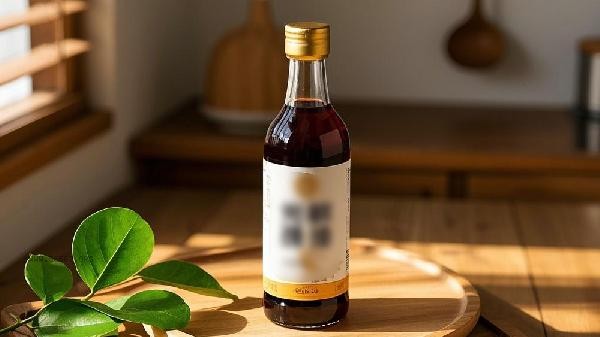
In daily diet, two types of vinegar can be alternately used according to cooking needs. It is recommended to control the daily intake of smoked vinegar within 15 milliliters to avoid stimulating the gastrointestinal tract. When making a purchase, pay attention to the product standard number. Solid state fermented vinegar will be labeled with GB/T18187, and avoid selecting formulated vinegar containing additives such as caramel color. Special populations such as those with excessive stomach acid should dilute before consumption, and vinegar products should be consumed with an interval of two hours between taking alkaline medications.








Comments (0)
Leave a Comment
No comments yet
Be the first to share your thoughts!