
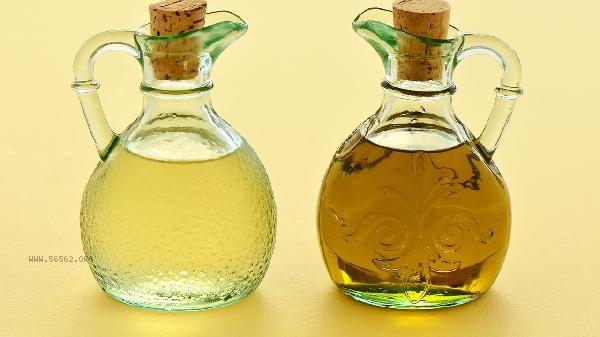
The main differences between rice vinegar and vinegar are the raw materials, production process, and flavor characteristics. Rice vinegar is mainly made from rice, with a refreshing and soft sour taste; Vinegar is mainly made from glutinous rice with added spices, giving it a rich aroma and complex flavor.

Rice vinegar is usually made from grains such as rice and wheat through processes such as saccharification, alcohol fermentation, and acetic acid fermentation. Its acidity is moderate, the color is light, the taste is pure and light, suitable for cold dishes, dipping, or dishes that need to highlight the original flavor of the ingredients. Due to the short fermentation period, rice vinegar is relatively easy to produce and the price is relatively affordable. It can enhance freshness and relieve greasiness in cooking, but it will not mask the flavor of other seasonings, especially suitable for pairing with light ingredients such as seafood and vegetables.
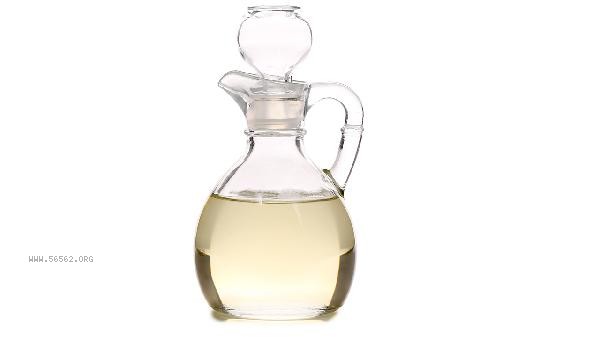
The main ingredient for vinegar is glutinous rice, and various spices such as cinnamon, cloves, and tangerine peel are added for fermentation. The production process involves a long aging process, resulting in a dark brown color of the vinegar body, a mellow taste, and a distinct sweet and spicy aroma. Vinegar has a rich sour taste and is suitable for dishes that require a strong flavor, such as braised or stewed dishes. It can give food a unique aroma and aftertaste. Due to the complex process and long aging time, the cost of high-quality vinegar is relatively high. When using, pay attention to controlling the amount to avoid excessive spice flavor affecting the overall taste. In daily diet, vinegar can be selected according to the characteristics of dishes. Rice vinegar is more suitable for summer cold dishes or low-fat diets, while vinegar can enhance the aroma level of meat dishes. Both types of vinegar contain amino acids, organic acids, and other components. Moderate consumption can help promote digestion, but those with excessive stomach acid need to control their intake. When storing, it should be sealed away from light to prevent flavor loss.








Comments (0)
Leave a Comment
No comments yet
Be the first to share your thoughts!