
The main difference between milk and beverages lies in their nutritional content and health value. Milk is rich in high-quality protein and calcium, while beverages are usually dominated by sugar and additives.

Milk is rich in high-quality nutrients such as protein, calcium, and vitamin D, which help with bone development and muscle growth. Its protein is mainly composed of casein and whey protein, with a high digestion and absorption rate. It is a natural high calcium food with outstanding calcium content and good absorption and utilization rate. Some milk is also fortified with micronutrients such as vitamin A and D. In contrast, the main ingredients of ordinary beverages are water, sugar, and food additives. Carbonated beverages, such as carbonated drinks, contain a large amount of phosphoric acid and carbon dioxide, and long-term consumption may affect calcium absorption. Although fruit juice drinks contain a small amount of vitamins, they suffer from severe fiber loss and concentrated sugar. Functional drinks may contain ingredients such as taurine and caffeine, and excessive intake may increase the burden on the heart. Although dairy beverages such as lactobacillus drinks contain probiotics, their protein content is only about one-third of that of milk. Plant protein drinks such as soy milk usually have lower calcium content than milk. Lactose in milk may cause bloating in lactose intolerant individuals, while artificial sweeteners in sugar free beverages may affect gut microbiota balance. Special formula milk such as low lactose milk and high calcium milk can specifically solve some nutritional problems.
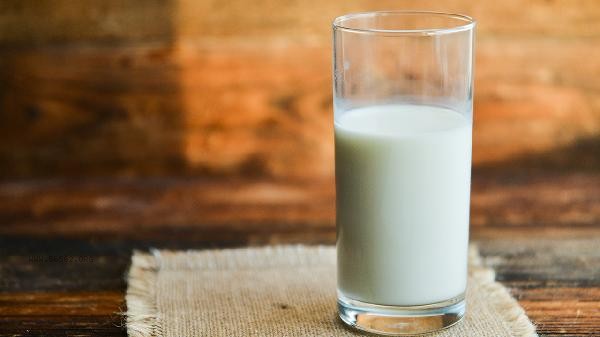
It is recommended to prioritize pure milk as a daily beverage and control the intake of sugary drinks. Lactose intolerant individuals can choose yogurt or low lactose milk, and children and adolescents should ensure a daily intake of 300-500 milliliters of dairy products. When choosing beverages, pay attention to the nutritional list and avoid long-term consumption of high sugar and high phosphate drinks. After exercise, natural drinks such as coconut water without additives can be chosen to supplement electrolytes.









Comments (0)
Leave a Comment
No comments yet
Be the first to share your thoughts!