
The main differences between good and bad wine lie in the quality of raw materials, brewing techniques, aging potential, taste balance, and terroir characteristics of the production area. High quality wine usually has a rich aroma, delicate tannins, and a long-lasting aftertaste, while inferior wine may have problems such as pungent alcohol, weak taste, or obvious off flavors.
1. Raw Material Quality
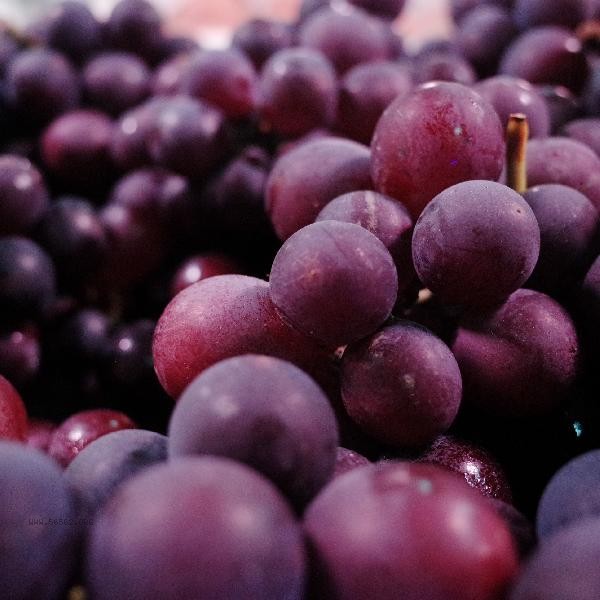
High quality wine is made from grapes with moderate maturity, balanced sugar and acid ratios, and free from pests, diseases, or decay. The vineyard management is strict, controlling production to ensure fruit concentration. Poor quality wine may use grapes that are not fully ripe or mixed with secondary fruits, resulting in a thin or unbalanced body or acidity.
2. Brewing process
Good wine adopts traditional techniques combined with modern technology, with precise control of fermentation temperature and reasonable aging time in oak barrels. During the brewing process, attention should be paid to preserving the characteristics of the variety and avoiding excessive intervention. Poor wine may add sugar or essence for rapid mass production, and use inferior oak chips instead of real barrel aging.
3. Aging Potential
High quality wines have good aging ability, with tannins and acidity supporting the development of complex flavors over time. After opening the bottle, it can still remain intact for several hours without decay. Ordinary table wine usually needs to be consumed within 1-2 years, as it is prone to oxidation or flavor loss after prolonged storage.
4. Balanced taste
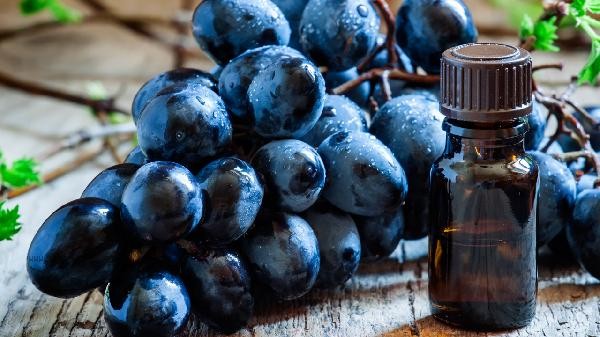
High quality wine has a harmonious unity of alcohol, acidity, sweetness, tannins, and other elements, without any abrupt elements. The aftertaste often lasts for more than 10 seconds, and the flavor gradually changes in the mouth. Poor quality alcohol may cause throat irritation or sharp discomfort due to the addition of acidic agents.
5. Characteristics of the production area
Good wines can clearly express the terroir characteristics of the production area, such as the gravel soil on the left bank of Bordeaux giving Cabernet Sauvignon a mineral feel, and Burgundy Pinot Noir reflecting subtle differences in specific plots. Ordinary wine often lacks regional individuality and has a taste that is similar to industrialization. When purchasing wine on a daily basis, it is advisable to observe the completeness of the wine label information and prioritize products that indicate specific vineyards and vintages. After opening the bottle, pay attention to whether the liquor is clear and free of suspended solids, and whether the aroma is pure and free of mold. Proper decanting before consumption can fully showcase the charm of high-quality wine, but excessive decanting of ordinary wine can accelerate flavor decline. When paired with food, high tannin red wine is suitable for oily meats, while refreshing white wine can complement seafood. When storing, it should be kept at a constant temperature and away from light. High quality aged wines should be placed horizontally to keep the cork moist.








Comments (0)
Leave a Comment
No comments yet
Be the first to share your thoughts!