
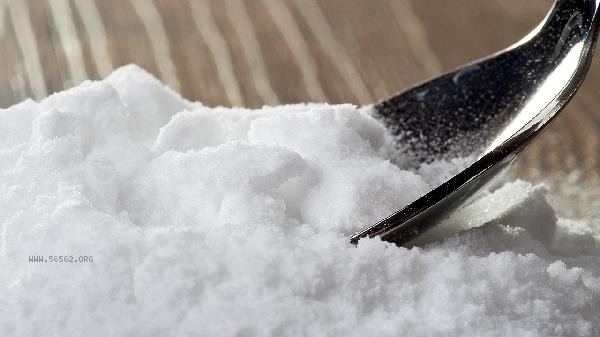
There are significant differences in chemical composition and usage between edible alkali and baking soda. The main component of edible alkali is sodium carbonate, while baking soda is sodium bicarbonate. Both have their own focuses in food processing, cleaning, and other fields. Edible alkali is often used to neutralize acidity and enhance the texture of noodles, while baking soda is commonly used for leavening fermentation and mild cleaning.
I. Composition Differences
The chemical name of edible alkali is sodium carbonate, which belongs to strong alkaline substances with a high pH value and can quickly neutralize acidic components. Baking soda, also known as sodium bicarbonate, has a weak alkalinity and decomposes into carbon dioxide when exposed to heat or acid. This characteristic makes it a natural leavening agent. Although both are white powders, their different molecular structures result in significant differences in their properties.
II. Food Application
Edible alkali can promote the formation of gluten and make noodles more sinewy in traditional pasta production. It is commonly used in Lamian Noodles, alkaline water dumplings, etc. Baking soda is widely used in baked goods such as cakes, cookies, etc. It releases gas when heated to make the food fluffy. It should be noted that excessive use of edible alkali can damage vitamins and produce a bitter taste, while excessive use of baking soda may result in residual alkali taste.
III. Cleaning Function
Edible alkali has a stronger ability to remove oil stains, suitable for treating stubborn oil stains or unclogging drainage pipes, but may corrode aluminum products. Baking soda has mild properties and can be used to clean fruits and vegetables, remove refrigerator odors, and is safer for the skin and utensils. Both can be used as environmentally friendly cleaning agents, but the usage scenario needs to be selected according to the cleaning object.
IV. Safety
Edible alkali has strong corrosiveness, and direct contact may irritate the skin and mucous membranes. If ingested, seek medical attention immediately. Baking soda is a food grade additive that is relatively safe to use in moderation, but long-term excessive intake may affect electrolyte balance. All storage should be sealed and moisture-proof to avoid mixing with acidic substances.
V. Other Uses
Edible alkali is used in industry to manufacture glass, soap, etc., and can be used to prepare disinfectants in medicine. Baking soda can be used to relieve excessive stomach acid, prepare mouthwash or foot soak solution. In special circumstances, the two can be substituted for each other. For example, in the absence of baking soda, edible alkali and citric acid can be used to simulate the leavening effect, but the ratio must be strictly controlled.
Suitable products should be selected according to specific needs for daily use, and it is recommended to prioritize using food grade baking soda for cooking. Pay attention to distinguishing packaging labels during storage to avoid misuse. For individuals with special physical conditions, such as those on a low sodium diet or those with renal insufficiency, professional advice should be sought before use. Reasonably utilizing the characteristics of both can improve the convenience of life and ensure safe use.








Comments (0)
Leave a Comment
No comments yet
Be the first to share your thoughts!