
Edible alkali and baking soda are two different food additives, with the main differences being their chemical properties and usage scenarios. The main component of edible alkali is sodium carbonate, which has strong alkalinity and is commonly used to neutralize the sourness of dough or make traditional noodles; Baking soda is sodium bicarbonate, which has a mild alkalinity and is commonly used for baking leavening or household cleaning.
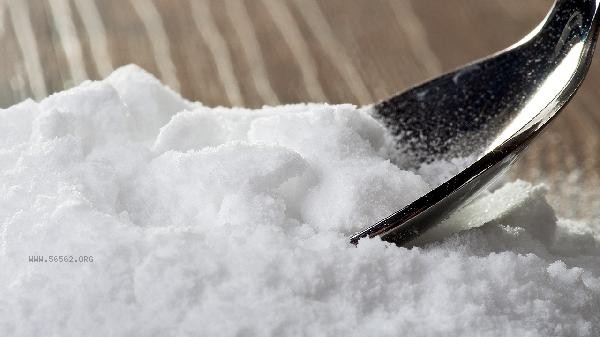
The alkaline strength of edible alkali is significantly higher than that of baking soda, which can quickly neutralize acidic substances, and is suitable for food processing requiring strong alkaline treatment, such as making traditional foods such as Lamian Noodles, alkaline water dumplings, etc. It has high solubility and rapid action, but excessive use can cause food to become bitter. Edible alkali can also be used to regulate the acidity and alkalinity of water quality, and has wide applications in the industrial field. When using, the dosage should be strictly controlled to avoid direct contact with the skin or mucous membranes. Baking soda produces carbon dioxide gas when heated or acidified, making it an ideal leavening agent and widely used in baked goods such as cakes and cookies. Its mild alkalinity is also suitable as a household cleaner, which can remove oil stains and odors. Baking soda has less gastrointestinal irritation and can temporarily relieve excessive stomach acid under the guidance of a doctor. Compared to edible alkali, baking soda is safer, but its foaming effect is affected by temperature and acidic environment. Both substances need to be sealed and stored against moisture to avoid mixing with acidic substances. Special populations such as pregnant women and patients with gastrointestinal diseases should consult a physician before use. In daily cooking, edible alkali should not be used as a substitute for baking soda, otherwise it may affect the taste of food or cause safety hazards. If it is necessary to adjust the acidity or alkalinity of food, it is recommended to choose appropriate additives according to specific needs and strictly control the dosage according to the standards for the use of food additives.








Comments (0)
Leave a Comment
No comments yet
Be the first to share your thoughts!