
The main difference between alkali and baking soda lies in their chemical composition and uses. Alkali refers to substances that can react with acids, while baking soda specifically refers to sodium bicarbonate, which belongs to weakly alkaline salts.
1. Chemical Composition
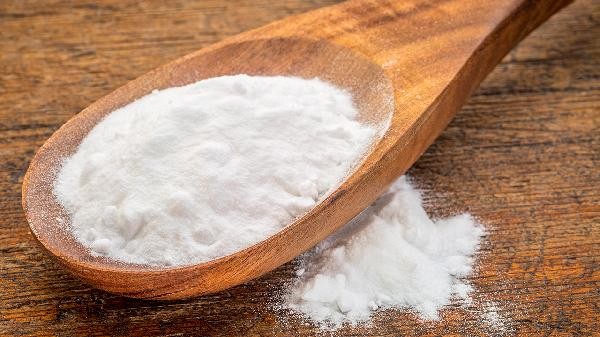
Alkali refers to compounds in which all anions produced during ionization are hydroxide ions, including strong bases such as sodium hydroxide and potassium hydroxide. Baking soda is a common name for sodium bicarbonate, with the chemical formula NaHCO3. It is an acidic salt and its aqueous solution is weakly alkaline. There is a significant difference in acid-base strength between the two, with strong bases having strong irritants and baking soda having mild properties.
2. Food Applications
Baking soda is widely used in food processing, such as serving as a leavening agent in baking. It reacts with acidic substances to produce carbon dioxide, causing the dough to expand. Edible alkali mainly refers to sodium carbonate, which is often used to neutralize the sourness of dough or make alkaline water surfaces. Baking soda can be consumed directly, while industrial strong alkali is corrosive and strictly prohibited from consumption.
III. Cleaning Application
Baking soda is a natural cleaning agent that can remove oil stains, deodorize, and is safe and environmentally friendly. Strong alkalis such as sodium hydroxide are used for dredging pipelines and treating heavy oil stains, but protective equipment must be worn. Baking soda solution has a slight corrosiveness only when its concentration exceeds 10%, while strong alkaline solution may damage the skin even at low concentrations.
Fourth, Medical Effects
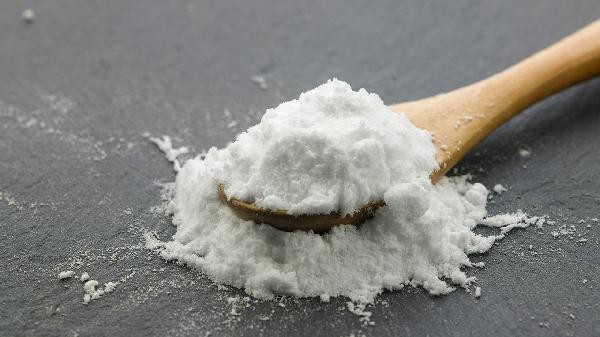
Baking soda can temporarily relieve excessive stomach acid or be used topically to treat minor burns. Medical grade aluminum hydroxide and other antacids are used to treat gastric ulcers, but strict adherence to medical advice is required. Exposure to strong alkali can cause chemical burns to the human body and should not be used on one's own.
V. Storage Conditions
Baking soda should be sealed and moisture-proof to avoid mixing with acidic substances. Strong alkali needs to be stored in dedicated containers to prevent hydrogen production and explosion caused by contact with metals such as aluminum and zinc. Both should be kept out of reach of children. Baking soda will only lose its activity after expiration, while strong alkali spoilage may produce dangerous by-products.
It is recommended to prioritize baking soda for daily use, as it is safer and has a wider range of uses. When dealing with strong alkali, gloves and goggles should be worn. If accidentally in contact with the skin, rinse immediately with plenty of water. The amount of edible alkali or baking soda used in cooking should be controlled, as excessive use may affect mineral absorption. It is recommended to choose suitable products according to specific needs, and industrial alkali and food grade products should be strictly distinguished for storage.








Comments (0)
Leave a Comment
No comments yet
Be the first to share your thoughts!