
Soaking cauliflower in light salt water for 10 minutes can effectively remove residual pesticides and insect eggs. Baking soda water or rice washing water can also be used to assist in cleaning. The surface structure of cauliflower is complex and requires a combination of physical washing and chemical decomposition methods for treatment. The main cleaning methods include running water washing, soaking decomposition, high-temperature hot washing, tool assistance, and vinegar water sterilization.
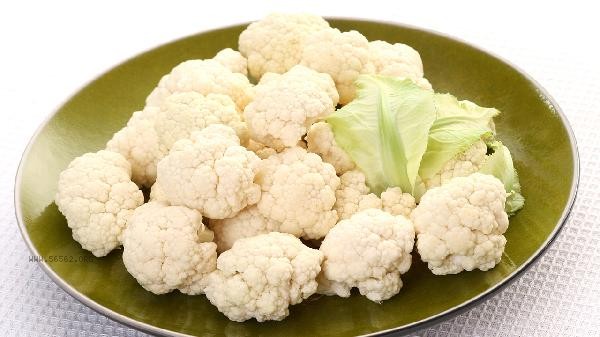
1. Rinse with running water
The cauliflower needs to be broken into small flowers first, and then rinsed repeatedly with running water. The pressure of the water flow can wash away surface dust and some insect eggs. When washing, it is recommended to invert the cauliflower and let the water flow from the stem towards the flower ball, which can help remove impurities in the crevices. This step should last for at least two minutes and is a necessary step for basic cleaning.
2. Soak and decompose
Prepare 3% concentration of diluted salt water to soak cauliflower. Sodium ions can damage the cell membrane of insect eggs and promote the hydrolysis of pesticide residues. The effect is better when the water temperature is maintained at 30-40 degrees Celsius, and the soaking time is controlled at 10-15 minutes. Prolonged soaking can lead to nutrient loss. This method has a high degradation rate for organophosphorus pesticides, and it still needs to be rinsed with clean water after soaking.
3. High temperature hot washing
Quickly blanch cauliflower in hot water at 90 degrees Celsius for 30 seconds. High temperature can decompose some pesticides and kill microorganisms. Immediately supercooling after hot washing can maintain a crispy and tender taste. This method may result in the loss of a small amount of water-soluble nutrients, but can significantly reduce the biological activity of pesticide residues, making it suitable for pre-treatment as a direct cold mix for consumption.
4. Tool assistance
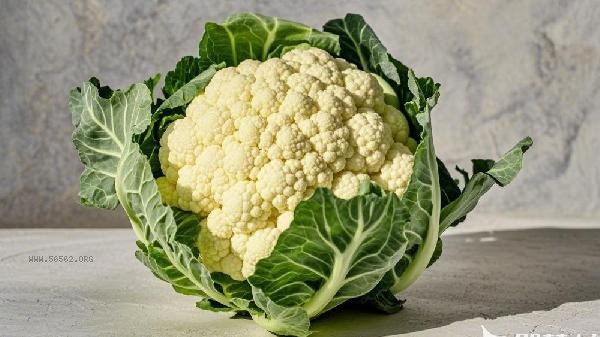
Use a soft bristled brush to gently brush the uneven surface of cauliflower, and use an ultrasonic cleaning machine for better results. When brushing, pay attention to avoiding fragile flower buds and focus on cleaning the texture of the stem. For organically grown cauliflower, this method can replace chemical soaking, and physical cleaning is more conducive to preserving complete nutrients.
5. Sterilization with vinegar water
After mixing white vinegar with water in a ratio of 1:10, soak cauliflower for 5 minutes. Acetic acid can dissolve fat soluble pesticides and inhibit bacterial growth. This method has a significant effect on removing pyrethroid pesticides, but may affect the original flavor of cauliflower. It is recommended to rinse thoroughly with water at least twice in the future. After cleaning, cauliflower should be cooked as soon as possible to avoid secondary pollution caused by prolonged storage. During storage, some stems and leaves can be retained to wrap around the flower ball, and the cut can be covered with plastic wrap during refrigeration. It is recommended to choose organic certified or low pesticide residue cauliflower for daily use. Different cleaning methods can be combined, such as soaking in salt water first and then ultrasonic treatment. Quickly blanching with boiling water before cooking can further enhance food safety while maintaining a crisp texture and emerald green color. For sensitive populations such as pregnant women and children, it is recommended to use cooking methods such as high-temperature steaming to thoroughly sterilize them.








Comments (0)
Leave a Comment
No comments yet
Be the first to share your thoughts!