
The weight loss diet for office workers should balance nutrition and convenience. It is recommended to focus on high protein and low glycemic index foods, combined with moderate dietary fiber and healthy fats.

1. Breakfast pairing
recommends choosing boiled eggs with whole wheat bread and avocado. Eggs provide high-quality protein and vitamin D, whole wheat bread is rich in complex carbohydrates, and avocados contain monounsaturated fatty acids. It can be paired with sugar free soybean milk or low-fat milk to avoid drinking coffee on an empty stomach. This type of combination can maintain a sense of fullness for 3-4 hours and reduce the probability of having additional meals in the morning.
2. Lunch Options
It is recommended to pair brown rice with steamed fish and blanched broccoli. Brown rice retains the germ and bran, and its dietary fiber content is three times that of refined white rice. Salmon or cod are preferred fish, which are rich in omega-3 fatty acids. Vegetables are blanched quickly and mixed with flaxseed oil for cooling, retaining nutrients while controlling calories. Pay attention to keeping the main course at 100-150 grams, with protein occupying 1/4 of the plate area.
3. Afternoon snack
It is suitable to choose Greek yogurt with blueberries or 10 original almonds. Greek yogurt has twice the protein content of regular yogurt after filtering out whey. Blueberries contain anthocyanins that can alleviate visual fatigue, while almonds provide vitamin E and magnesium elements. Avoid high sugar fruits such as lychee and mango, and it is recommended to control the calorie intake of meals within 150 calories.

4. Dinner arrangement
Preferred chicken breast salad with quinoa. After skinning, the fat content of chicken breast is less than 2%, and low-temperature slow roasting is used to maintain tenderness. Quinoa contains complete protein and manganese elements, and the salad base uses dark vegetables such as kale. You can add colored peppers and mushrooms to enhance the taste, and choose oil and vinegar sauce instead of salad dressing for the sauce. Dinner should be completed 3 hours before bedtime and carbohydrate intake should be controlled.
5. Beverage Selection
Drink no less than 2000 milliliters of water throughout the day, and alternate between drinking green tea, pu erh tea, and lemon water. Green tea catechins help with fat metabolism, while Pu erh tea polyphenols regulate gut microbiota. Avoid sugary drinks and alcohol, limit to 2 cups of coffee per day, and do not add sugary milk. Coconut water can be used to supplement electrolytes after exercise, but attention should be paid to the sugar content of natural coconut water.
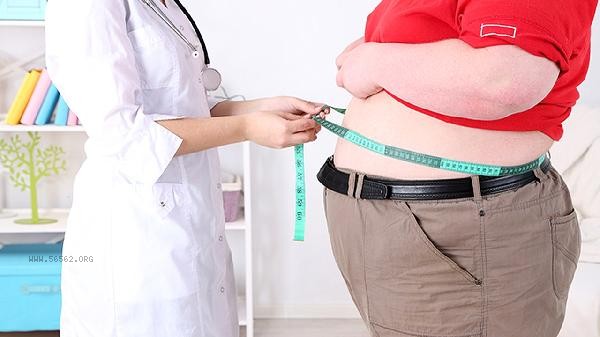
The implementation of this recipe requires a regular schedule and moderate exercise. It is recommended to engage in 30 minute aerobic exercise three times a week, such as brisk walking or swimming, combined with two sessions of resistance training. Pay attention to monitoring changes in body fat percentage rather than simply focusing on weight, and avoid extreme dieting that can lead to a decrease in basal metabolism. When experiencing discomfort such as dizziness and fatigue, adjust the diet structure and consult a nutritionist if necessary to develop a personalized plan. Maintaining 7-8 hours of sleep daily helps with leptin secretion and reduces nighttime appetite.








Comments (0)
Leave a Comment
No comments yet
Be the first to share your thoughts!