
Adolescent weight loss requires multidimensional interventions such as scientific diet, reasonable exercise, and regular sleep to achieve healthy weight loss and avoid extreme dieting or drug dependence.

1. Scientific diet
Control daily total calorie intake and prioritize high protein, low glycemic index foods such as eggs, oats, and broccoli. Reduce refined sugar and fried foods to ensure regular and quantified meals. Parents need to help develop recipes to prevent teenagers from overeating due to hunger. It is possible to increase dietary fiber intake appropriately to promote gastrointestinal peristalsis, but attention should be paid to gradually prevent bloating.
2. Reasonable Exercise
Engage in 4-5 aerobic exercises such as jogging, swimming, or skipping rope per week, each lasting 30-40 minutes. Combining resistance training such as plank support, squats, etc. to enhance muscle mass, the exercise intensity should be slightly sweating and breathing faster without affecting conversation. To avoid joint damage caused by excessive exercise, warm up and stretch before and after exercise.
3. Behavioral adjustment
Establish eating record habits and identify emotional eating triggers. Ensure 7-9 hours of sleep per day, as insufficient sleep can lead to a decrease in leptin secretion. Reduce sedentary time and engage in simple stretching activities during breaks. Parents should lead by example and create a healthy eating environment in the family, avoiding using food as a reward or comfort.
4. Metabolic monitoring
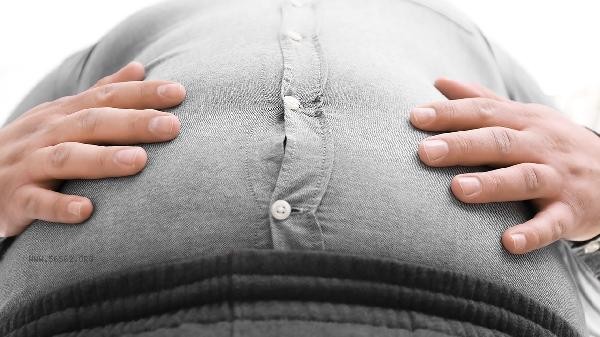
Regularly measures indicators such as body fat percentage and waist circumference rather than simply focusing on weight. If accompanied by endocrine disorders such as polycystic ovary syndrome and thyroid dysfunction, synchronous treatment of the primary disease should be carried out under the guidance of a doctor. During the rapid growth stage of adolescence, it is necessary to ensure daily intake of trace elements such as calcium, iron, and zinc to prevent excessive dietary restrictions from affecting development.
5. Professional support
When the body mass index exceeds the obesity standard or is combined with hypertension, a personalized plan should be developed under the guidance of a nutritionist. It is prohibited to use weight loss drugs such as Orlistat capsules on one's own. Adolescents with incomplete gastrointestinal function are prone to adverse reactions such as fat diarrhea. If necessary, cognitive-behavioral therapy can be used to correct unhealthy eating habits. Adolescent weight loss should adhere to the principle of gradual progress, with a monthly weight loss of no more than 5% of body weight. Low sugar fruits can be chosen as daily snacks, with steaming as the main cooking method. Maintain a daily intake of 2000 milliliters of water and avoid sugary drinks. Parents should regularly accompany physical examinations, pay attention to their mental health, and avoid anxiety or inferiority due to weight issues. If discomfort such as dizziness and fatigue occurs, it is necessary to adjust the weight loss plan in a timely manner.








Comments (0)
Leave a Comment
No comments yet
Be the first to share your thoughts!