
The moisture content of pork is usually between 60% and 70%, and the specific value is affected by factors such as the location, feeding method, and cooking method. The moisture content of pork varies depending on different parts, with lean tissues such as pork loin and leg meat having a higher moisture content of around 70%. Due to their tight muscle fiber structure and high content of myofibrillar protein, they can effectively lock in moisture. Parts with high fat content, such as pork belly, may have a water content that drops to 50% to 60%. Adipose tissue itself has a lower water content, and the precipitation of oil during cooking further reduces the proportion of water. Fresh pork undergoes acid removal treatment after slaughter, which enhances the cell water holding capacity and stabilizes the water content. However, frozen meat may experience a slight decrease in water content due to the destruction of cell structure by ice crystals and the loss of juice after thawing.
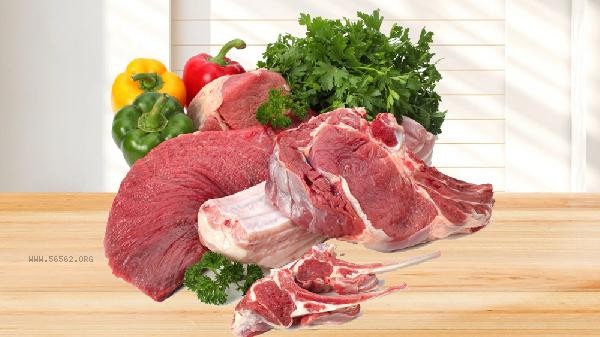
The cooking method has a significant impact on the final moisture content. Boiling or steaming pork can retain more moisture, while high-temperature cooking such as frying and grilling can cause moisture evaporation, which may reduce the moisture content by 10% to 15%. Processed products such as ham and sausages may have their moisture content artificially adjusted to a higher level due to the addition of water retaining agents such as salt and phosphate. The muscle fiber characteristics of different breeds of pigs can also affect their water holding capacity, for example, in some areas, the fat distribution in the muscles of certain breeds is even, and they can still maintain a high level of moisture after cooking. When choosing pork in daily life, the moisture content can be preliminarily determined by observing the color and elasticity of the meat. Fresh pork with a light red color and elasticity indicates sufficient moisture. It is recommended to use methods such as low-temperature slow cooking or wrapping tin foil baking to reduce water loss, and to pair with vegetables and fruits rich in vitamin C to promote iron absorption and avoid consuming high oxalate foods that affect mineral utilization. Sealing and refrigerating with cling film during storage can slow down water evaporation, and cutting into small pieces before freezing can reduce thawing losses.








Comments (0)
Leave a Comment
No comments yet
Be the first to share your thoughts!