
To prevent rice pests, natural insect repellent materials such as Sichuan peppercorns, garlic, dried chili peppers, star anise, and tangerine peel can be added. These materials repel insects through odor and do not affect the safety of rice consumption. They need to be replaced regularly to maintain their effectiveness.
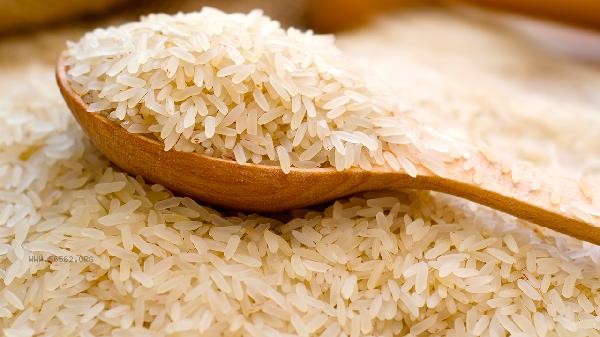
1. Sichuan pepper
Sichuan pepper contains volatile oil, limonene and other components, and its pungent odor can effectively drive away stored grain pests such as rice weevils. Put 10-15 Sichuan peppercorns into a breathable gauze bag and bury it in the middle layer of the rice jar. Be careful to avoid direct contact with rice to avoid affecting its taste, and replace it every two months.
2. Garlic
Allicin in garlic has strong antibacterial and insecticidal properties. After peeling the whole garlic cloves, scatter them at the four corners of the rice bag or hang them above the rice jar. It is necessary to check the condition of garlic cloves every month, replace them in a timely manner after germination or withering, and prevent mold from contaminating the grain.
3. Dried chili
Capsaicin has an inhibitory effect on the nervous system of pests. Select fully dried red chili peppers and store them in a 1:100 ratio with rice. After crushing chili peppers, more active substances will be released, but attention should be paid to screening out the chili powder to avoid affecting the taste of rice.
Four, Octagonal
Anise in star anise is a natural insecticide. Put 3-5 star anises into a tea bag and place them at the bottom of the rice box. The slowly released aromatic components can form an insect barrier. It is recommended to replace the octagon with a new one every quarter, and shorten the replacement cycle in humid environments.
Fifth, dried tangerine peel
contains limonene and linalool, which can interfere with the sense of smell of pests. Tear the tangerine peel into small pieces and disperse them into rice, which can absorb moisture and repel insects. Chenpi should be replaced promptly after absorbing moisture, and it is recommended to check the dryness level weekly during the rainy season.
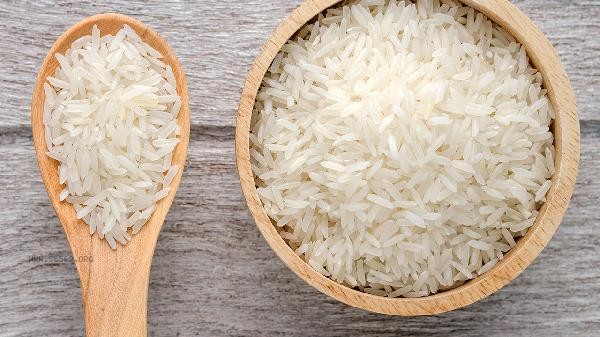
In addition to using natural insect repellent materials, it is recommended to store rice in a cool and dry place, using well sealed rice jars or food grade storage boxes. Check the status of the rice every month and immediately expose it to sunlight if any insect eggs are found. Multiple purchases of rice in small quantities can reduce storage time, and new and aged rice should be stored separately. If the worms are already alive, they can be frozen for 24 hours to inactivate the eggs, and after screening, they can still be safely consumed. Keeping the storage environment clean and regularly wiping containers can effectively prevent the growth of pests.








Comments (0)
Leave a Comment
No comments yet
Be the first to share your thoughts!