
Adding a small amount of white vinegar or cooking oil when steaming rice makes it easier to cook. There are mainly five common additives: white vinegar, edible oil, yellow wine, lemon juice, and salt, which accelerate gelatinization by changing the structure or thermal conductivity of rice grains.

1. White Vinegar
The acetic acid in white vinegar can soften the cellulose on the surface of rice grains, break the hydrogen bonds between starch molecules, and allow water to penetrate into the rice core faster. Add half a tablespoon of white vinegar to every 500 grams of rice. After steaming, the sour taste will evaporate without leaving any trace, especially suitable for hard textured varieties such as glutinous rice.
2. Edible Oil
Vegetable oil can form an oil film on the surface of rice grains, reducing water evaporation and enhancing thermal conductivity efficiency. Recommend using tasteless corn oil or rice oil, 500 grams of rice with 5 milliliters of oil is sufficient, excessive use can cause rice to become sticky. Oil can also prevent sticking to the pot and facilitate cleaning.
III. Huangjiu
Huangjiu contains alcohol and organic acids that work together to reduce the gelatinization temperature of starch. It is recommended to use cooking yellow wine with an alcohol content of less than 15% and maintain a ratio of 1:20 with rice water. This method is more suitable for steaming sticky rice such as glutinous rice, which can give the rice a special aroma.
4. Lemon Juice
Citric acid has a stronger decomposition effect on starch than acetic acid, and is rich in vitamin C, which can reduce nutrient loss. Half a lemon juice can process 300 grams of rice, but it is important to control the amount of water to avoid excessive acidity. The rice steamed by this method has a white color and is suitable for pairing with seafood.
5. Salt
Salt can increase the boiling point of water and enhance osmotic pressure, promoting uniform heating of rice grains from the outside to the inside. It is advisable to add 1 gram of salt to 500 grams of rice, as excessive amounts can inhibit starch swelling. Hypertensive patients can use low sodium salt as a substitute or switch to seaweed salt to supplement minerals.
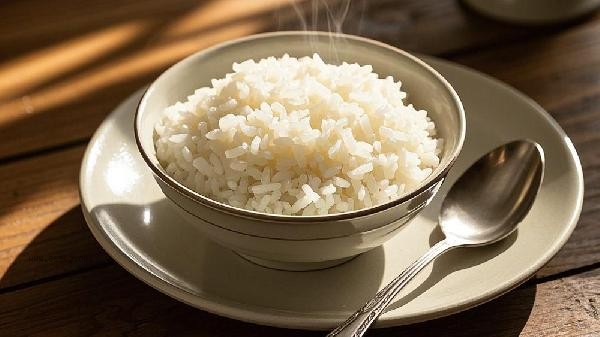
In addition to adding auxiliary materials, aged rice needs to be soaked for 30 minutes in advance, while new rice does not need to be soaked. It is recommended to control the rice water ratio between 1:1.2 and 1:1.5, and the rice cooker can use fast cooking mode for cooking. After steaming, let it simmer for 5 minutes before opening the lid. Use a rice spoon to loosen and dissipate heat to avoid clumping at the bottom. Those with weak gastrointestinal function should control the amount of oil and salt added, and diabetes patients should use yellow rice wine with caution. There are differences in the reaction of different varieties of rice to additives. It is recommended to conduct small-scale experiments before adjusting the ratio.








Comments (0)
Leave a Comment
No comments yet
Be the first to share your thoughts!