
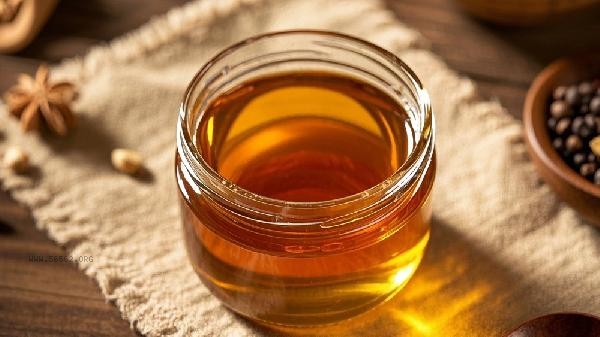
Blended sesame oil is a seasoning oil made by mixing sesame oil with other vegetable oils in proportion, which combines sesame aroma and various vegetable oil nutrients.
I. Composition Characteristics
Blended sesame oil is usually made from sesame oil as the base oil, supplemented with vegetable oils such as soybean oil, rapeseed oil, peanut oil, etc. Sesame oil content is generally between 20% and 50%, which retains the rich aroma unique to sesame and balances the fatty acid composition through other vegetable oils. There are differences in the blending ratios of different brands, and some products may label the specific content of sesame oil.
2. Nutritional Value
Blended sesame oil contains beneficial components such as monounsaturated fatty acids and linoleic acid, while sesame oil contributes antioxidant substances such as sesamin and sesamin, which have the ability to scavenge free radicals. Compared to pure sesame oil, the proportion of saturated fatty acids is reduced after blending, making it more suitable for daily high-temperature cooking. But the content of micronutrients such as vitamin E will decrease due to dilution.
III. Flavor Characteristics
The aroma intensity of blended sesame oil is between pure sesame oil and ordinary vegetable oil, suitable for consumers who are not accustomed to strong sesame flavor. While retaining the sesame flavor tone, other vegetable oils can neutralize the bitterness of sesame oil, making the taste softer. Some products may add a small amount of Sichuan pepper oil or spice oil to enhance the flavor level.

4. Application Scenarios
Suitable for low-temperature cooking such as cold dishes, dipping sauces, and soup flavor enhancement. When stir fried at high temperatures, the smoke point is slightly higher than that of pure sesame oil. Due to the presence of easily oxidizable sesame components, it is necessary to seal and store in the dark after opening. Some catering establishments may use blended sesame oil instead of pure sesame oil to control costs, and households can choose products with different sesame oil contents according to their taste preferences.
Fifth, purchase precautions
Check the sorting and content labeling of sesame oil in the ingredient list, and prioritize products with a high proportion of sesame oil. Pay attention to the production date and shelf life, and avoid purchasing deteriorated oil products with dark colors or a halal smell. Special populations such as sesame allergy sufferers should avoid consumption and control the daily dosage to 15 to 25 grams.
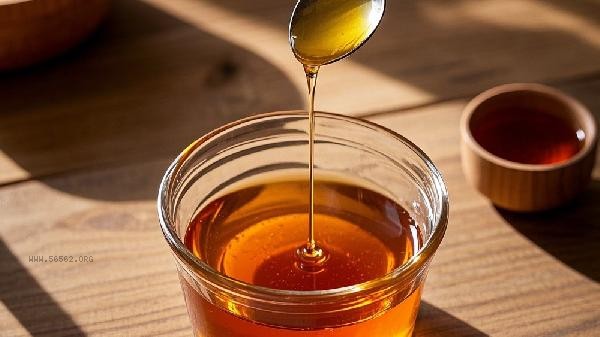
Different types of edible oils can be alternately used in daily diet to ensure balanced intake of fatty acids. Blended sesame oil should not be used as the sole oil, and is recommended to be used in combination with olive oil, tea seed oil, etc. Keep away from high temperature environments such as stoves when storing, and try to use up within 3 months after opening. Avoid prolonged high temperature heating during cooking, and using cold dishes can maximize the retention of nutrients and flavor.








Comments (0)
Leave a Comment
No comments yet
Be the first to share your thoughts!