
When purchasing sesame oil, the main indicators to consider include acid value, peroxide value, color, odor, and ingredient list. Acid value reflects the freshness of oil, peroxide value measures the degree of oxidation, color and odor can intuitively judge quality, and the ingredient list should pay attention to whether it contains non natural additives.
1. Acid Value
Acid value is an important indicator for measuring the content of free fatty acids in oils and fats. The lower the value, the fresher the oil. The acid value of high-quality sesame oil is usually controlled within a low range. If the acid value is too high, it may be caused by the deterioration of raw materials or improper storage. When purchasing, you can view the product testing report and select products with acid values that meet national standards.
II. Peroxide Value
The peroxide value reflects the oxidation and deterioration of oil, and an increase in the value indicates that the fragrant oil has undergone rancidity. Freshly pressed sesame oil has a low peroxide value and should be consumed as soon as possible after opening the lid. It is recommended to choose products with a recent production date and store them away from direct sunlight. refrigeration after opening can delay oxidation.
III. Color
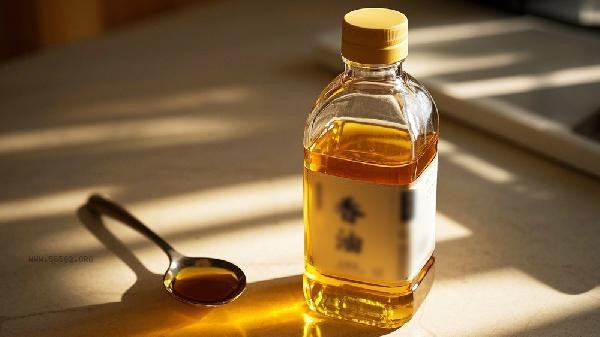
Pure sesame oil is reddish brown or dark brown in color, with an amber luster when observed under light. adulterated sesame oil may have a lighter or yellowish color, and may result in cloudy sediment. The fragrance oil produced by traditional water substitution method has a darker color, while the color of mechanically pressed products is relatively lighter, but both should have a uniform and transparent texture.

4. Odor
High quality sesame oil has a rich and pure sesame baking aroma, without any crackling or other odors. A small amount of scented oil can be dropped on the palm, rubbed hot and smelled. The smell of fake scented oil mixed with essence is pungent and unnatural. Low temperature pressed sesame oil has a fresher aroma, while high-temperature stir fried oil has a richer aroma.
V. Ingredient List
Pure sesame oil ingredients should only consist of sesame or sesame oil. If other vegetable oils or food additives are present, it is considered blended oil. Pay attention to distinguishing between sesame sesame oil and sesame seasoning oil, the latter may have added antioxidants. Organic certified products are more trustworthy, and products that indicate sesame varieties can be prioritized.
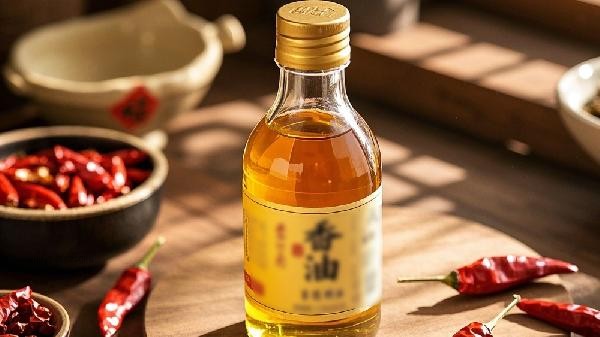
It is recommended to choose dark glass bottle packaging for daily selection of sesame oil to avoid exposure to light and high temperature oxidation. Try to use up within three months after opening, and pay attention to cleaning the oil bottle mouth when using. Sesame sesame oil is rich in unsaturated fatty acids and vitamin E, but its calorie content is high and should be controlled at a daily intake of 10-15 grams. Low temperature cold mixing can better preserve nutrients, while high-temperature stir frying can easily damage active ingredients. Special populations such as gallbladder disease patients should reduce their consumption, and those who are allergic to sesame should avoid using it.








Comments (0)
Leave a Comment
No comments yet
Be the first to share your thoughts!