
Brown sugar that is too hard to cut can be solved by methods such as heating softening, tool assistance, block processing, moistening the cutting surface, and refrigeration prevention.
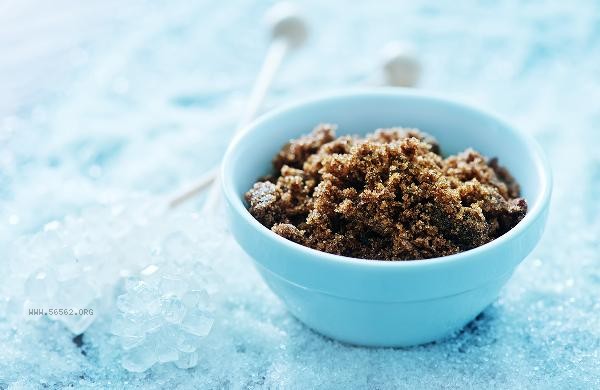
1. Heat softening
Place the hardened brown sugar in the microwave at low heat for about 10 seconds, or steam it for 2 minutes with water to loosen the internal crystallization of the sugar block. Be careful not to overheat and cause the brown sugar to melt. It is recommended to cover with a damp cloth to maintain humidity when microwaving. The traditional method can also use a hair dryer to blow hot air towards the sugar cubes for 30 seconds, softening the surface and making it easier to cut open.
2. Tool Assistance
Use a serrated bread knife or specialized sugar hammer to process hard brown sugar, and the serrated design can reduce the risk of sugar block sliding. If the candy is too large, you can first use a hammer to lightly tap the edge to create a crack, and then cut along the crack. During operation, pay attention to fixing the sugar cubes to prevent rolling. It is recommended to use a damp towel to increase friction and avoid using knives that are prone to breakage.
3. Block Processing
For unopened whole packs of brown sugar, gently tap them at the corner of the table through the packaging bag, and use the impact force to break the large pieces of brown sugar into small pieces. The unsealed sugar cubes can be packed into thick sealed bags and rolled into granules with a rolling pin. This method is suitable for subsequent dissolution and use, and it is easier to retrieve and store after packaging.
4. Wet the cutting surface
Soak the cutting tool in hot water or apply a small amount of cooking oil before cutting sugar, which can effectively reduce cutting resistance. Re moisten the blade surface with each cut, and use the forward and backward sawing action to save more effort than vertical downward pressure. This method is particularly suitable for handling slightly rehydrated and clumped brown sugar, but it is important to dry the cutting tools promptly after cutting to prevent rusting.
5. Refrigeration prevention
It is recommended to divide newly purchased brown sugar into small portions of about 100 grams and store them in a sealed container in the refrigerator compartment. Low temperature environment can delay water evaporation. Adding a slice of apple or bread during storage can help maintain humidity and prevent sugar particles from rebounding. If not used for a long time, it can be vacuum sealed and frozen for storage, and the texture will remain loose even after thawing.
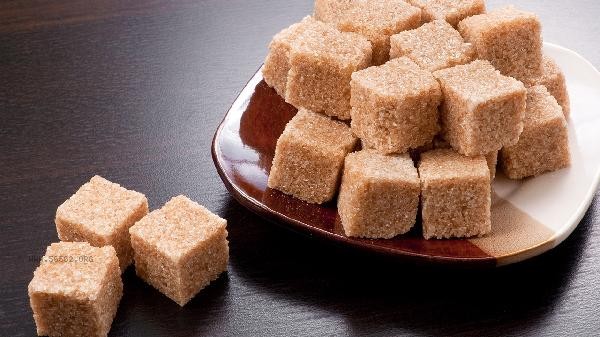
For daily storage of brown sugar, it is recommended to choose a cool and dry place, use well sealed ceramic or glass containers, and avoid contact with high temperatures and direct sunlight. After each use, seal it promptly and place a food desiccant inside the can to absorb moisture. For brown sugar that has already hardened severely, it can be completely dissolved and re boiled into liquid syrup. After cooling, it can be placed in a squeeze bottle for easy use. When handling, attention should be paid to operational safety to avoid tool slippage or candy splashing. Children should operate under adult supervision.








Comments (0)
Leave a Comment
No comments yet
Be the first to share your thoughts!