
Boiling milk with water can cause protein denaturation, calcium precipitation, and may also damage some vitamins. The changes in milk after boiling are mainly related to factors such as temperature, amount of water added, and boiling time. Proteins in milk undergo structural changes at high temperatures, forming clots or flocs. Although this denaturation does not affect safety, it may reduce digestion and absorption rates. Whey protein and casein are heat sensitive and may exhibit layering after boiling. Diluting with water will further reduce protein concentration and make the taste lighter. Calcium ions are prone to combine with phosphates during heating to form white precipitates, which adhere to the bottom of the container. Heat sensitive nutrients such as vitamin B and vitamin C may be lost to some extent, but fat soluble vitamins are relatively stable. In special circumstances, some individuals may experience discomfort due to changes in the properties of boiled milk. Lactose intolerant individuals may still experience bloating even if the lactose content remains unchanged after boiling. Protein allergy sufferers cannot eliminate allergens even by boiling. Boiling at high temperatures for a long time may produce a burnt taste, affecting the flavor. Some processed dairy products have minimal changes in their properties after boiling due to the addition of stabilizers. Due to its low boiling point, milk in high-altitude areas experiences relatively less nutrient loss after boiling.
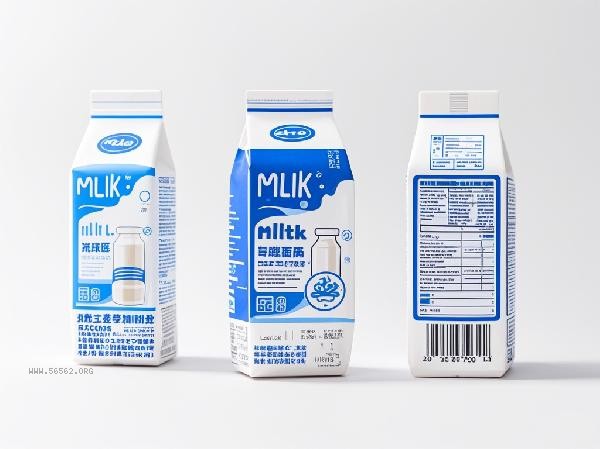
It is recommended to avoid boiling milk for a long time or repeatedly heating it. If heating is necessary, it can be heated to around 60 degrees Celsius by separating it from water. Choosing pasteurized milk can reduce the need for boiling, while drinking refrigerated milk directly preserves its nutrients. Eating with grains can alleviate the effects of protein denaturation, and drinking after meals can increase calcium absorption. Lactose intolerant individuals can choose lactose free milk, while allergic individuals should avoid drinking it. Pay attention to observing whether there is any abnormal odor or color change in the boiled milk, as spoiled milk is still not edible after boiling.








Comments (0)
Leave a Comment
No comments yet
Be the first to share your thoughts!