
Long term non consumption of rice may lead to insufficient energy intake and nutrient deficiency, but reasonable substitution can still maintain health. Rice, as a staple food, mainly provides carbohydrates, B vitamins, and other nutrients. Its deficiency may lead to problems such as hypoglycemia, gastrointestinal dysfunction, and decreased metabolic efficiency, but these problems can be avoided by replacing it with other grains or potatoes.
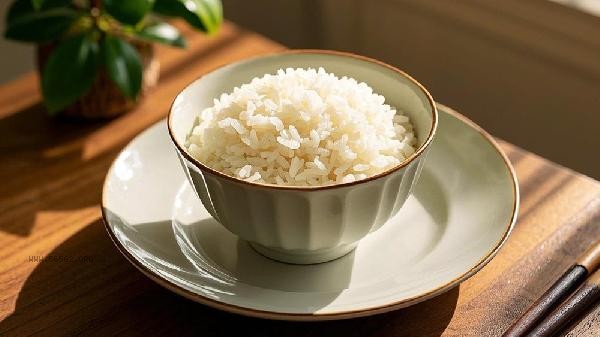
Rice is the main source of carbohydrates in Asian diets, and sudden cessation of intake may lead to poor physical adaptation. In the early stages, there may be hypoglycemic reactions such as dizziness and fatigue, as the brain relies on glucose for energy supply. The rhythm of gastrointestinal digestion may be disrupted, and some individuals may experience changes in their bowel habits. Long term lack of grain intake may reduce the acquisition of vitamin B1 and dietary fiber, increasing the risk of beriberi and constipation. When using whole grain bread, oats, or potatoes as substitutes, attention should be paid to synchronously supplementing foods rich in lysine such as legumes to compensate for the lack of grain protein. In special circumstances, completely avoiding rice has a positive significance. The control of refined carbon and water intake in diabetes patients is conducive to blood glucose management, and the substitution of brown rice or coarse cereals can delay the absorption of sugar. Short term reduction of rice intake by weight loss individuals may accelerate fat consumption, but it is necessary to ensure at least 100 grams of carbohydrates per day to prevent ketosis. For people with gluten allergy or intestinal sensitivity, choosing gluten free grains such as millet and quinoa can reduce digestive burden. It should be noted that a long-term extremely low-carbon diet may cause abnormal regulation of thyroid function, and women may experience menstrual disorders. When adjusting the staple food structure, the principle of gradual progress should be followed, and replacing polished white rice with brown rice can retain more nutrients. Pairing with mixed beans can improve protein utilization, such as the amino acid score of red bean rice being higher than that of pure rice. When using root vegetables as a substitute, it is necessary to increase oil intake to promote the absorption of fat soluble vitamins. It is recommended to gradually increase the proportion of whole grains to one-third of the staple food to avoid sudden and excessive intake that may cause bloating. Special populations such as children and pregnant women should ensure sufficient intake of carbohydrates, and if necessary, consult a nutritionist to develop personalized plans.








Comments (0)
Leave a Comment
No comments yet
Be the first to share your thoughts!