
Fruits such as apples, bananas, pears, kiwis, mangoes, etc. can ripen together. These fruits release ethylene gas, which is a natural plant hormone that accelerates the fruit ripening process. Storing immature fruits and high ethylene releasing fruits in a sealed space will accelerate the overall ripening speed.

1. Apples
Apples are one of the fruits that release a large amount of ethylene, especially mature varieties such as Red Fuji and Gala. A single apple can release trace amounts of ethylene every day at room temperature. When stored in close proximity to other fruits, the released ethylene penetrates into the skin of adjacent fruits, activating amylase and pectinase inside the fruit, promoting the conversion of starch into sugar, and the decomposition and softening of pectin. Green bananas and apples can turn yellow significantly after being stored together for two days, while hard kiwis and apples will significantly soften after being stored together for three days.
2. Bananas
Bananas release a large amount of ethylene during the ripening process, especially bananas with black spots on the skin have higher ethylene production. When immature green bananas are mixed with other fruits, the ethylene released will accelerate the respiration of surrounding fruits, leading to accelerated degradation of fruit cell walls. Experiments have shown that when avocado and banana are stored together for 24 hours, the softening speed of avocado is three times faster than when stored separately. However, excessively ripe bananas can produce excessive ethylene, which may cause nearby fruits to rot too quickly.
3. Pear
Pear fruits experience a sudden increase in ethylene release during the later stages of ripening, with the ripening effect of Western pears being particularly significant. The ethylene released by pears can activate the expression of mature genes in nearby fruits, promote chlorophyll decomposition and carotenoid synthesis. Sealed storage of hard persimmons and pears for 48 hours will significantly reduce the astringency of persimmons. However, placing pears together with ripe fruits may cause excessive softening of the flesh. It is recommended to regularly check the condition of the fruits.
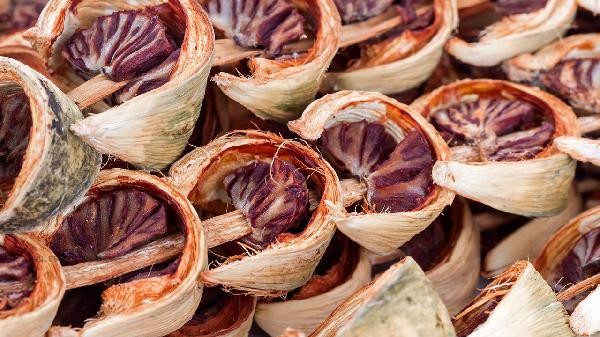
4. Kiwifruit
Kiwifruit continuously releases ethylene at room temperature. Although the single fruit release is lower than that of bananas, the accumulation effect occurs when multiple kiwis are stored together. Immature kiwifruit and apples placed together will promote each other's ripening, manifested as the flesh gradually becoming softer and the sugar content increasing. Attention should be paid to consuming kiwifruit that has been ripened as soon as possible, otherwise it is prone to fermentation and spoilage. Ethylene inhibitors are often used in commercial transportation to delay kiwifruit ripening.
5. Mango
Mango is a typical respiratory climacteric fruit, and its ethylene production suddenly increases after harvesting. When green mangoes are mixed with other fruits, the ethylene released can induce changes in the permeability of fruit cell membranes, accelerate pigment conversion, and synthesize aromatic substances. After placing green mangoes and ripe bananas together for 36 hours, the mango skin will turn from green to yellow. However, mangoes are highly sensitive to ethylene, and excessive ripening may lead to black spots on the flesh. When storing fruits in daily life, fruits that need to be ripened can be placed in a fresh-keeping bag and put in 1-2 ripe apples or bananas. After sealing, they should be placed in a cool place and checked for ripeness every day. Mature fruits should be immediately taken out and refrigerated separately to avoid excessive softening. Ethylene sensitive fruits such as strawberries and grapes should be stored away from high ethylene fruits. Special varieties, such as durian and jackfruit, have very high ethylene production, so it is recommended to store them separately. Reasonably utilizing the ripening effect between fruits can not only ensure the taste of food, but also reduce food waste.









Comments (0)
Leave a Comment
No comments yet
Be the first to share your thoughts!