
When cutting fruits, fruits that are prone to oxidation and discoloration or have rich juice are usually placed at the end of the processing, mainly including apples, pears, bananas, avocados, peaches, etc.
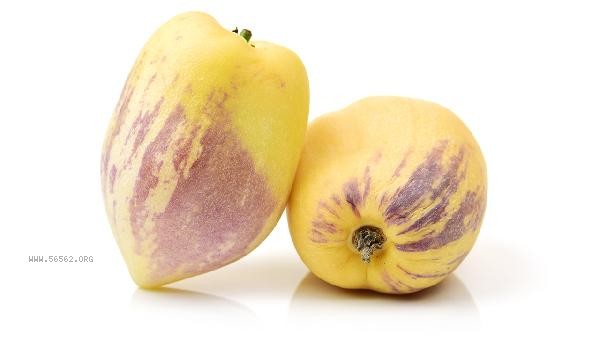
1. Apples
Apples are rich in polyphenolic substances, which can cause enzymatic browning when cut open and exposed to air, resulting in a darker color. It is recommended to process apples after cutting other fruits, and immediately soak them in diluted salt water to slow down oxidation. Cutting apples too early not only affects their appearance, but also reduces their taste due to water loss.
2. Pear
The flesh tissue of pear is loose and high in sugar content, making it easy for the juice to seep out and contaminate other fruits after cutting. Late cutting pears can keep the operating table dry and avoid cross contamination of the juice. Pears in the soft ripening stage require special attention as their cell walls are more prone to damage, leading to juice loss.
3. Banana
Banana flesh will quickly oxidize and turn black, releasing ethylene to accelerate the decay of other fruits. It is recommended to peel and cut into pieces during the final stage of meal preparation, and then drizzle with a small amount of lemon juice after cutting. Bananas with high maturity have a faster oxidation rate and require special attention to the processing sequence.
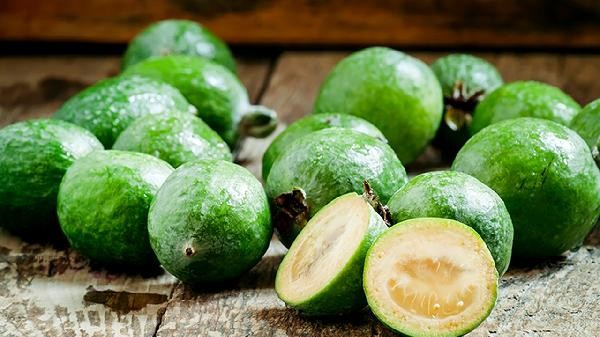
4. Avocado
The flesh exposed after cutting an avocado will quickly turn brown, and its fat oxidation will also produce an unpleasant odor. The core should be cut open after processing other fruits, and the cut surface can be coated with olive oil to isolate the air. The oxidation rate of overripe avocados will significantly accelerate.
5. Peaches
The skin of peaches is easily damaged and the flesh is soft. Cutting and mixing them in advance can cause a large amount of juice to seep out. The final processing of peaches can keep the fruit platter tidy, and cutting them into pieces with skin can reduce juice loss. Hard fleshed peaches are more suitable for cutting and pairing in small quantities in advance than soft fleshed peaches. The cutting and blending sequence of fruits should comprehensively consider the oxidation rate, juice exudation, and ethylene release characteristics. In addition to adjusting the cutting sequence, using a ceramic knife can reduce oxidation caused by metal ions, and keeping the workbench dry can prevent cross contamination of juices. Before processing easily oxidizable fruits, disinfect the knives and containers with white vinegar. It is recommended to consume the cut fruits within two hours. For situations where it is necessary to prepare meals in advance, perishable fruits can be individually sealed and refrigerated, and then combined and served on a plate before consumption.








Comments (0)
Leave a Comment
No comments yet
Be the first to share your thoughts!