
The fruits that need to be peeled before consumption mainly include apples, pears, peaches, mangoes, pineapples, etc. The peels of these fruits may contain pesticide residues, indigestible crude fibers, or allergenic substances, making them safer and healthier to consume after peeling.
1. Apples
Apple skin often contains residual fruit wax and pesticides, especially in non organic varieties. Although dietary fiber in fruit peels is beneficial, it may irritate the gastrointestinal mucosa. Peeling can reduce the intake of pesticide residues and is more suitable for people with gastrointestinal sensitivity. Apple pulp is rich in pectin and vitamin C, and can retain most of its nutrients even after peeling.
2. Pear
The pear cortex is rough and may have attached allergenic substances such as pollen. Some varieties, such as snow pear, have a high content of stone cells in their skin, which affects their taste and is difficult to digest. The loss of antioxidant substances in pear skin can be compensated for by increasing consumption, and after peeling, it is more suitable for making baby food or fruit juice.
3. Peach
The fuzz on the surface of the peach skin may cause discomfort or allergic reactions in the throat. The skin and flesh of mature peaches are tightly connected, and consuming them with the skin is prone to pesticide residue. The anthocyanin content in peach peel is limited, and peeling it is more conducive to digestion and absorption, making it particularly suitable for the elderly and children to consume.

4. Mango
Mango peel contains phenolic substances that may cause contact dermatitis or oral allergies. The connection between the peel and the core is prone to accumulation of juice, increasing the risk of sensitization. Mangoes grown in tropical regions often use insect repellents. It is recommended to peel off the outer skin and cut it into pieces for consumption to avoid direct contact between the lips and the skin.
5. Pineapple
Pineapple has a hard and prickly skin that contains bromelain. Eating it directly may damage the oral mucosa. The traditional peeling method can result in significant loss of fruit flesh. It is recommended to cut off both ends and peel them vertically. The pineapple eye area needs to be removed separately, as residual skin components may cause discomfort such as numbness in the tongue.
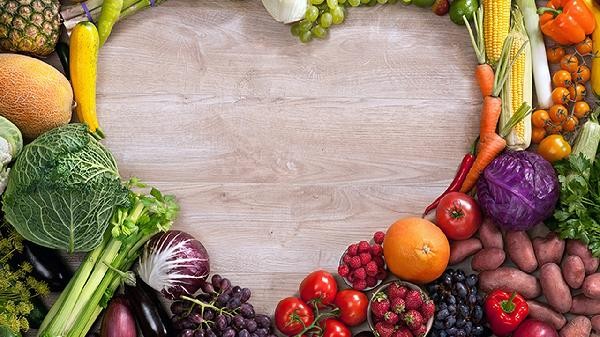
For fruits that require peeling, it is recommended to use a specialized peeling knife to remove thin layers of skin and avoid excessive peeling that can lead to nutrient loss. Organic grown fruits can be considered for consumption with skin on, but they need to be thoroughly cleaned with flowing water and a soft bristled brush before consumption. Special populations such as pregnant women, individuals with allergies, or fruits with obvious blemishes on the surface must undergo peeling treatment. At the same time, pay attention to the hygiene of the cutting tools to avoid cross contamination during the peeling process. Fruits can be paired with different processing methods in daily life to balance dietary fiber and nutrient intake.








Comments (0)
Leave a Comment
No comments yet
Be the first to share your thoughts!