
It is not recommended to consume fruits that have mold spots, are soft and rotten, or have an unpleasant odor after rotting. Fruit spoilage may be caused by microbial contamination, oxidation reactions, mechanical damage, improper storage, excessive ethylene ripening, and other reasons. Ingestion may lead to gastrointestinal discomfort or food poisoning.
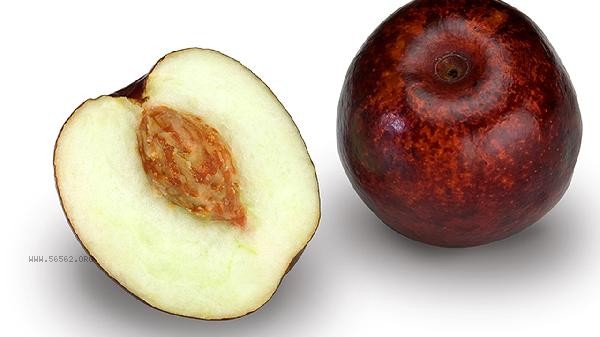
1. Moldy fruits
Moldy fruits can have fuzzy hyphae or black green spots visible on the surface, commonly found in citrus fruits, apples, etc. Toxins such as penicillin produced by fungi are resistant to high temperatures, and there is still a risk of removing moldy parts. Moldy fruits may cause acute poisoning symptoms such as nausea and vomiting, and long-term ingestion may damage liver function.
2. Soft and Rotten Fruits
When soft fruits such as bananas and strawberries soften locally with juice leakage, it indicates that the cell structure has been disrupted. These types of fruits are prone to breeding pathogenic bacteria such as Salmonella, which may cause abdominal pain and diarrhea after consumption. Even if the rotten part is removed, the surrounding flesh may still be contaminated with bacteria.
3. Odorous fruits
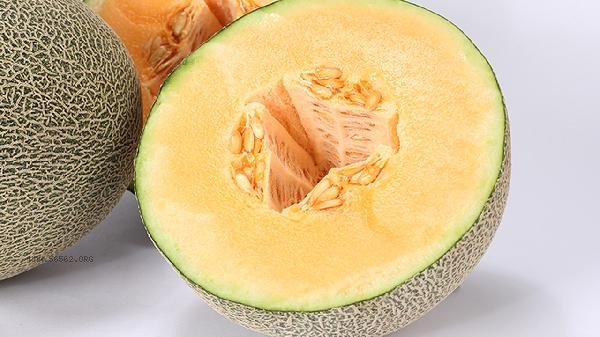
Watermelon, cantaloupe, etc. When they have a fermented or sour taste, it indicates that they have spoiled. The odor originates from metabolic products such as alcohols and organic acids produced by microorganisms decomposing sugar, which may irritate the gastrointestinal mucosa and cause digestive system dysfunction when consumed.
4. Browning Fruits
The browning of cut surfaces such as apples and pears belongs to enzymatic oxidation reactions, which are safe to consume in the short term but result in nutrient loss. If browning is accompanied by a sticky texture, it indicates bacterial growth, especially the risk of Listeria contamination. People with low immunity should avoid consumption.
5. Frozen fruits
Litchi, grapes, etc. may become transparent or brown after frozen storage, and their cell membranes may rupture, leading to nutrient loss. Although frostbitten fruits are not prone to microbial growth, their taste and flavor significantly decrease, and some people may experience mild gastrointestinal discomfort when consuming them.
Daily storage of fruits should avoid humid environments and high temperature exposure. Different fruits should be classified and stored to prevent cross contamination. When purchasing, choose fruits with intact skin and no damage. Tropical fruits should not be stored refrigerated. If local fruit spoilage is found, it should be discarded immediately. It is recommended to consume fruits that have been lightly damaged within 24 hours. Special populations such as pregnant women, infants, and those with low immunity should pay more attention to avoiding consuming any abnormal form of fruits and vegetables.








Comments (0)
Leave a Comment
No comments yet
Be the first to share your thoughts!