
Fruits such as apples, oranges, pomelos, pears, and pomegranates have a relatively long shelf life. These fruits usually have thick skin or storage resistance, and can be stored for a long time at room temperature or refrigerated conditions.
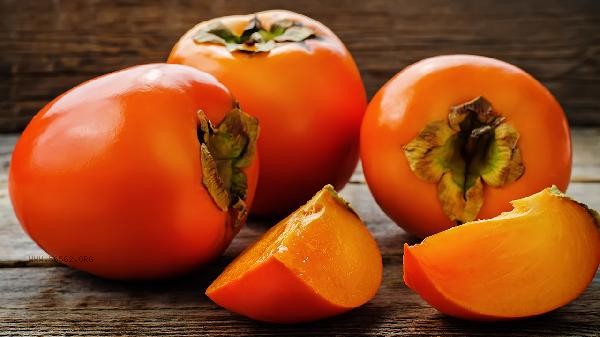
1. Apple
The apple peel is thick and rich in natural wax layer, which can effectively reduce water loss and microbial invasion. Late maturing varieties such as Red Fuji and Gala can be stored for several months under refrigerated conditions. When storing, avoid collision and maintain a ventilated and dry environment to extend the shelf life.
2. Oranges
Orange skin contains rich essential oil components and has natural antibacterial effects. Intact and unpeeled oranges can be stored in a cool and ventilated place for 2-3 weeks, and under refrigeration conditions, the shelf life can reach more than 1 month. Pay attention to checking for any moldy spots, and remove any individual decay immediately.
3. Pomelo
The thick sponge layer of grapefruit can cushion external impacts, and substances such as naringin in the peel can inhibit decay. Complete pomelos can be stored at room temperature for up to one month, and wrapped in plastic wrap and refrigerated can be extended to two months. Varieties such as Shatian pomelo and honey pomelo have better storage tolerance.
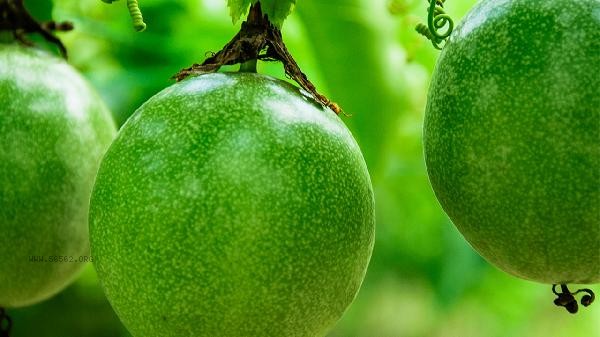
4. Pear
Some pear varieties, such as Korla fragrant pear and snowflake pear, have hard flesh during harvesting and gradually soften during ripening. Under a refrigeration environment of 0-4 ℃, immature pears can be stored for 3-4 months. Soft materials should be used to separate and prevent crushing during storage.
5. Pomegranate
Pomegranate outer skin is woody and contains a multi chambered structure, which can effectively protect the seeds. Complete pomegranates can be stored for about 2 months in a dry environment, and have a longer shelf life under refrigeration conditions. When storing, the fruit stem should be kept to avoid mold growth on the skin caused by humid environments.
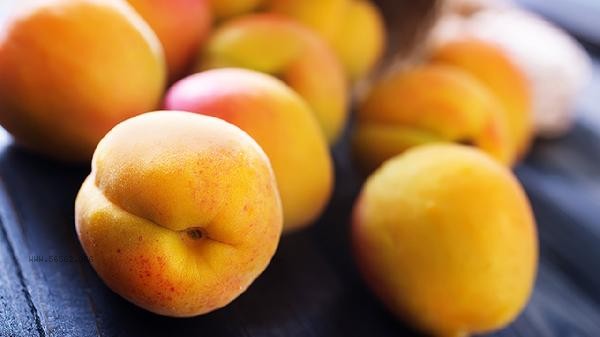
It is recommended to prioritize individuals with intact fruit stems and no external injuries when selecting storage resistant fruits. Citrus fruits do not need to be cleaned before storage, while apples and other fruits can be individually wrapped in paper and placed in breathable containers. It is recommended to control the refrigeration temperature at 4-8 ℃. Some tropical fruits such as mangoes and bananas are not suitable for low-temperature storage. Regularly checking the status of inventory fruits and promptly removing spoiled individuals can avoid cross contamination. Before consumption, it is necessary to thoroughly clean or peel, and special populations with sugar intolerance should control their intake.








Comments (0)
Leave a Comment
No comments yet
Be the first to share your thoughts!