
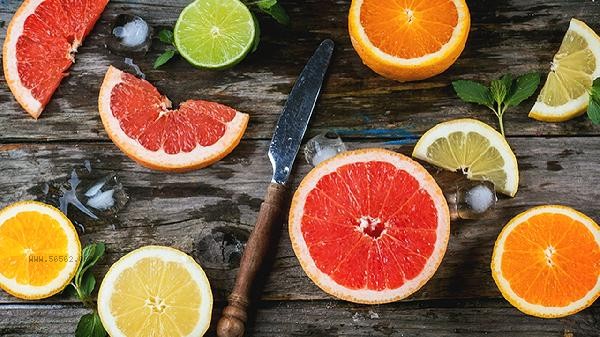
Apples, pears, bananas, and other fruits are prone to oxidation and blackening when cut open, but pineapples, mangoes, and citrus fruits are less prone to oxidation when cut open. Pineapple contains abundant bromelain, which can break down polyphenol oxidase that causes fruit oxidation, thereby slowing down the oxidation process. The acidic environment of pineapple also helps to inhibit oxidative reactions. The sliced pineapple flesh can remain unchanged for a long time and is suitable for making fruit platters or salads. Choosing pineapples with moderate maturity yields better results, while overripe or unripe pineapples may have reduced antioxidant capacity. Mango contains high levels of vitamin C and various antioxidants, which can effectively inhibit oxidative reactions. The natural antioxidants in mango flesh can protect the flesh from rapid oxidation. After being cut, mangoes can still maintain good color after being left at room temperature for a period of time, but it is recommended to consume them as soon as possible to ensure taste and nutrition. The skin and core of mangoes contain more antioxidant components, and preserving these parts appropriately can help delay oxidation. Citrus fruits such as oranges, pomelos, lemons, etc. have strong antioxidant capacity due to their high content of citric acid and vitamin C. These acidic substances can effectively inhibit the activity of polyphenol oxidase and prevent fruit flesh discoloration. The peel of citrus fruits also contains a large amount of antioxidant components, making it difficult for the meat to oxidize when cut open. Citrus fruits are suitable for pairing with other easily oxidizable fruits to help slow down the overall oxidation rate.









Comments (0)
Leave a Comment
No comments yet
Be the first to share your thoughts!