
Turtle should not be consumed with cold foods, high tannic acid foods, high-fat foods, alcoholic beverages, and some traditional Chinese medicinal herbs. Turtle is rich in nutrients but has a sweet and mild taste. Improper pairing may affect digestion and absorption or cause discomfort.
1. Cold Food
Soft shelled turtles themselves are generally cold in nature, and eating them with cold foods such as crabs, bitter gourd, watermelon, etc. may increase the burden on the gastrointestinal tract. The combination of coldness and coldness can easily lead to abdominal pain and diarrhea, especially for those with spleen and stomach deficiency and coldness, which should be avoided. Suggest pairing with ginger and perilla isothermal seasonings to neutralize coldness.
2. High Tannic Acid Foods
Persimmons, strong tea, grapes, and other foods contain a large amount of tannic acid. When combined with high-quality protein in turtles, they can form indigestible sediment. This reaction not only reduces protein absorption rate, but may also cause gastrointestinal bloating. It is recommended to maintain a consumption interval of at least 2 hours.
3. High fat foods
Eating fatty meat, fried foods, and turtles together can significantly increase fat intake. Turtle itself contains a certain amount of cholesterol, and excessive fat accumulation may affect blood lipid metabolism. People with hypertension and hyperlipidemia should pay special attention to controlling their food intake.
4. Alcoholic Beverages
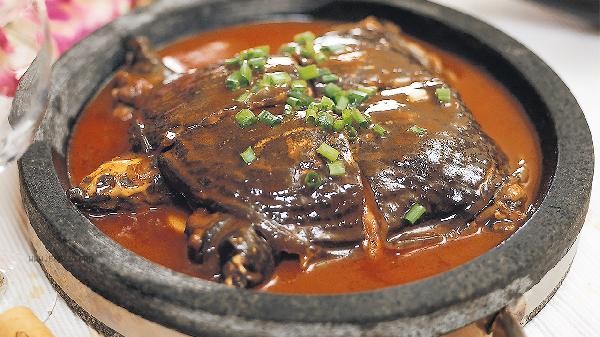
Alcohol can accelerate the denaturation of turtle proteins and increase the metabolic burden on the liver. Some people may experience allergic reactions such as skin itching and redness. If yellow wine is added to turtle soup for cooking, it is recommended to boil it until the alcohol evaporates completely before consumption.
5. Some Chinese medicinal herbs [SEP], such as catnip and mint, may reduce their nourishing effect when consumed with turtles. The compatibility of ass hide glue, prepared rehmannia glutinosa and other greasy herbs with turtle is easy to cause dampness stagnation. During the period of taking traditional Chinese medicine, it is recommended to consult a Chinese medicine practitioner to adjust the diet plan.
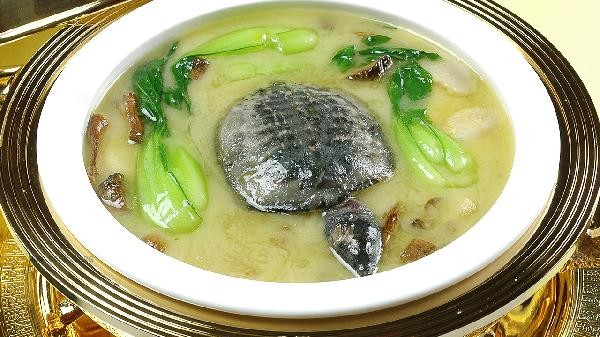
Soft shelled turtle is rich in collagen, trace elements, and various amino acids. It is recommended to stew it to preserve its nutrients. When cooking, you can add flat tonic ingredients such as goji berries and yams to avoid consuming them with incompatible foods. If symptoms such as nausea and diarrhea occur after consumption, immediately stop eating. Those with indigestion can drink ginger jujube tea to relieve symptoms. Patients with special constitutions or chronic diseases should have a reasonable diet under the guidance of a physician, with a recommended intake of 100-150 grams per meal, not exceeding twice a week.








Comments (0)
Leave a Comment
No comments yet
Be the first to share your thoughts!