
When soy sauce spoils, it may appear darker in color, sour in odor, moldy on the surface, or produce sediment. Deteriorated soy sauce may cause gastrointestinal discomfort after consumption due to improper storage, prolonged opening, or contamination.
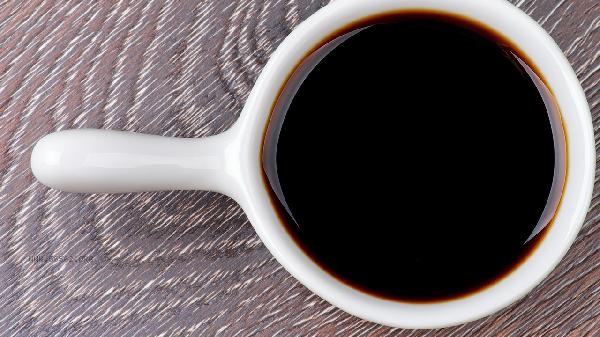
Normal soy sauce is reddish brown or dark brown in color, with a uniform texture and no impurities. After deterioration, the color may deepen to almost black, and the liquid may become cloudy and layered. The odor changes from mellow to pungent, sour or moldy, and some low-quality soy sauce may have a peculiar smell similar to ammonia water. If white or green mold spots are found on the bottle mouth or liquid surface, or if there is flocculent sediment at the bottom of the bottle, it indicates that it has deteriorated. In the hot and humid environment of summer, soy sauce that has been opened for more than six months is more likely to breed mold and bacteria. In rare cases, soy sauce may undergo non microbial spoilage due to packaging damage. For example, rusted iron bottle caps can contaminate soy sauce and produce a metallic taste, while direct sunlight can oxidize and make soy sauce bitter. Although this type of spoilage does not have mold spots, its flavor and nutritional value have significantly decreased. If soy sauce produced in industry is not thoroughly sterilized, residual salt tolerant bacteria may slowly multiply, producing a sulfide odor similar to rotten eggs.
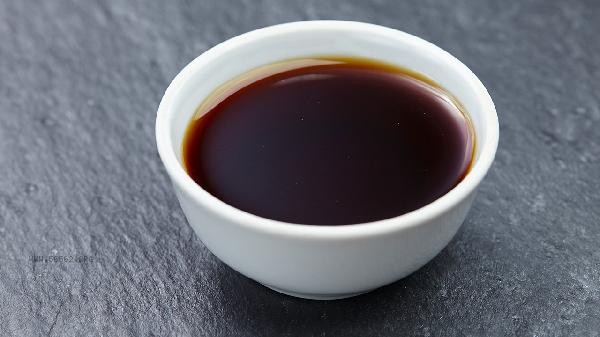
Soy sauce should be stored in a cool and dark place for daily use. After opening, it is recommended to refrigerate and use it within three months. Before cooking, pour out and observe the state. If any abnormalities are found, stop immediately. Although boiling mildly spoiled soy sauce at high temperatures can kill bacteria, its flavor and nutrition have been compromised, and it is not recommended to continue consuming it. If you accidentally consume spoiled soy sauce and experience abdominal pain and diarrhea, you can drink a moderate amount of diluted salt water to supplement electrolytes. If the symptoms persist, seek medical attention. When choosing soy sauce, prioritize glass bottle packaging and pay attention to the production date and shelf life labeling.








Comments (0)
Leave a Comment
No comments yet
Be the first to share your thoughts!