
Rice mold usually manifests as a yellow or green color or black spots, accompanied by a moldy or sour odor. In severe cases, it may clump or produce fuzzy mycelium. Moldy rice may contain harmful substances such as aflatoxins, and it is recommended to discard it immediately as it is not edible. During the initial stage of rice mold growth, there may be local color changes, commonly appearing as light yellow spots, which can easily be confused with normal rice grains. As the mold worsens, the color will gradually deepen to yellow green or gray black, and the mold area will expand. The texture of the moldy area becomes softer, losing the original luster and hardness of the rice, and some rice grains may stick together into clumps. It will emit a distinct moldy, earthy or sour smell in the sense of smell, which is completely different from the fresh fragrance of rice. If stored in a humid environment, moldy rice may grow white or grayish green fuzzy mycelium on its surface, which is a direct manifestation of fungal colony growth. In rare cases, mold growth may start from the inside of the rice bag. There is no obvious abnormality on the surface of the rice, but it may emit a strange odor when turned over. Even if there are no obvious mold spots on the aged rice stored for a long time, if abnormal odors such as crackling and greasy taste appear, it also indicates that it may have spoiled. Some molds, such as Aspergillus flavus, produce toxins that are resistant to high temperatures and cannot be destroyed by ordinary washing and cooking. Ingestion may cause acute poisoning or long-term liver damage. For rice that is slightly damp but not significantly moldy, it can be spread out and dried before consumption as soon as possible. However, it is not recommended to continue consuming rice with any of the above moldy characteristics.
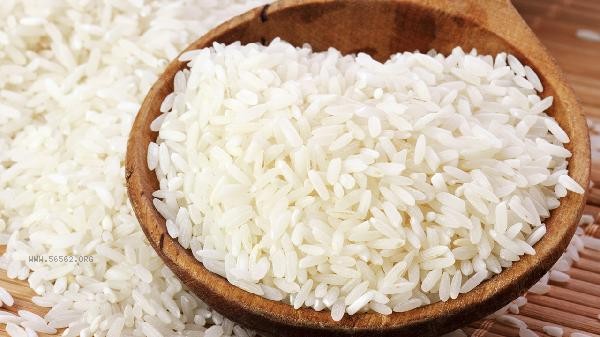
Rice should be stored in a sealed container in a cool and dry place for daily use, avoiding high temperature and high humidity environments. It is recommended to purchase small packages of rice and consume them within the shelf life. Regularly check the bottom and corners of the rice bag, which are prone to moisture. If signs of mold are found, the entire bag of rice should be discarded and not just the obvious moldy parts should be removed. Moldy rice may contaminate storage containers, and new rice should be thoroughly cleaned and disinfected before storage. Special populations such as infants, pregnant women, and those with low immunity should avoid contact with moldy foods. If they experience symptoms such as nausea and diarrhea after ingestion, they should seek medical attention promptly.








Comments (0)
Leave a Comment
No comments yet
Be the first to share your thoughts!