
Red dates are green in color when they are immature, with a hard texture and a sour taste. As they mature, they gradually turn red, with smooth and plump skin and soft, glutinous, and sweet flesh. Fresh and ripe red dates have a high moisture content and become common dried dates after sun drying, with more concentrated nutritional value. Green and immature red dates contain a high amount of tannic acid and organic acids, and have a sour and astringent taste, making them unsuitable for direct consumption. At this time, the fruit has high hardness and the skin surface has fine hairs, mainly used for processing or medicinal purposes. As maturity increases, the skin color will show a transitional state of yellow and green, and sugar begins to accumulate but the sweetness has not yet reached its peak.
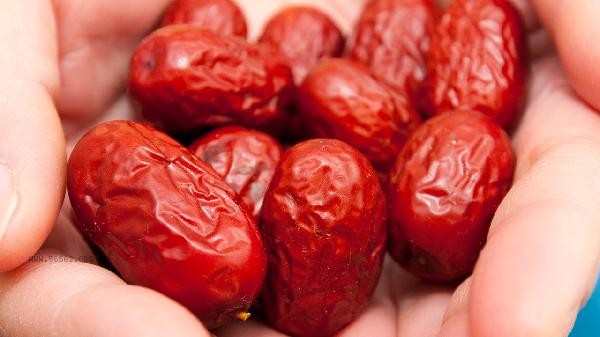
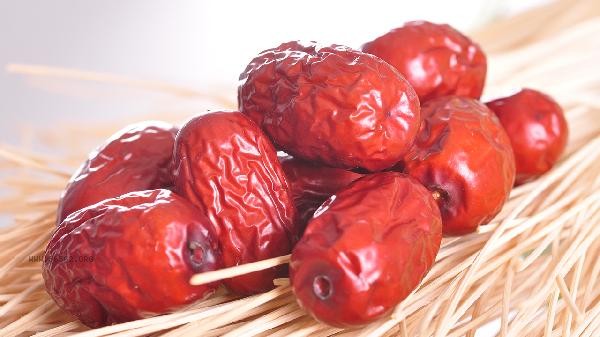
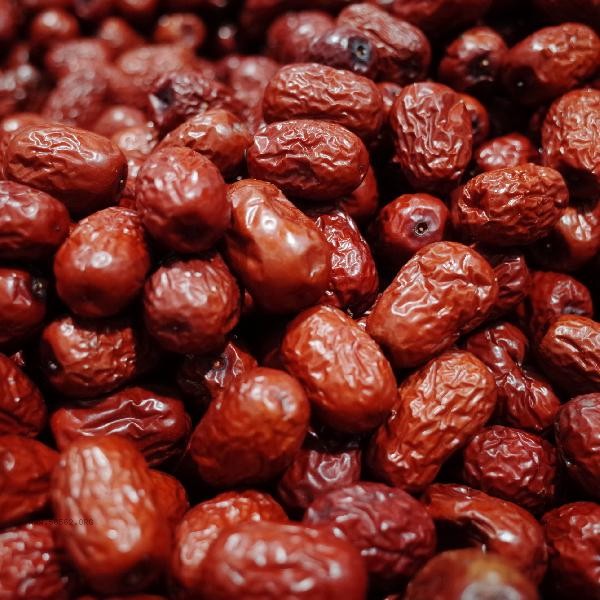
Fully ripe red dates have a deep red or purple red skin, soft and juicy flesh, and a sugar content of over 20% of their fresh weight. At this time, fresh jujubes can be consumed directly, with the effects of nourishing the middle and qi, nourishing the blood and calming the mind. If left to air dry naturally on the tree, it will form a crystallization phenomenon due to partial sugar analysis. This type of jujube is called hanging dried jujube and belongs to high-quality varieties. Fresh red dates contain rich active ingredients such as vitamin C and cyclic adenosine monophosphate. During the sun drying process, some water-soluble vitamins are lost, but minerals such as iron and calcium, as well as dietary fiber, are concentrated. It is suggested to choose red dates with intact epidermis and uniform color. Eating 5-10 red dates a day can meet the nutritional requirements. diabetes patients should control their intake. During storage, it is necessary to maintain dryness and ventilation to avoid mold growth.








Comments (0)
Leave a Comment
No comments yet
Be the first to share your thoughts!