
Pork usually appears dark gray, yellow green, or sticky gray white after spoilage, and may have mold spots or fluorescent color on the surface. The color change of spoiled pork is mainly related to factors such as microbial reproduction, fat oxidation, and myoglobin decomposition.
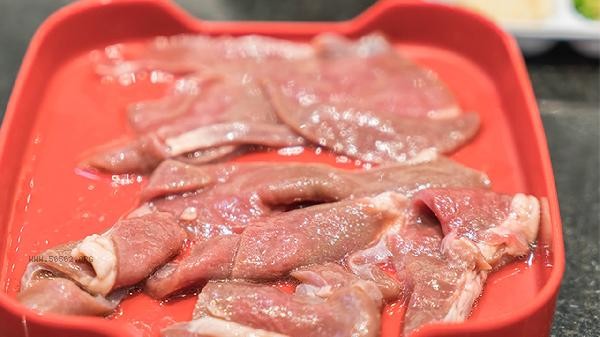
1. Dark Grey
The fresh red color of pork gradually fades and turns into dark grey, which is a typical manifestation of myoglobin being decomposed by bacteria. With the loss of elasticity in muscle tissue, the depression is difficult to recover after compression. At this time, pork may produce a slight rancid odor and should be immediately stopped from consumption.
2. Yellow green
Fat oxidation and rancidity can cause a yellow green change in the fat layer of pork, which is common in fat areas that have been stored for too long. This discoloration is often accompanied by a distinct halal smell, indicating that the oil has undergone severe deterioration and may produce harmful substances.
3. Gray white sticky
The formation of a sticky gray white film layer on the surface is a sign of the proliferation of spoilage bacteria such as Pseudomonas aeruginosa. When touched, it feels smooth and emits a putrid odor. This type of spoilage is prone to occur in pork that does not meet refrigeration temperature standards or has damaged packaging.
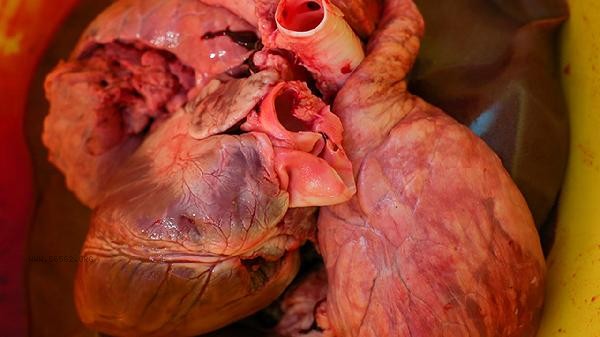
4. Fungal stains
Fungal contamination such as Penicillium and Aspergillus can form fuzzy mold spots on the surface of meat, ranging in color from white to dark green. Mold usually starts from the parts that come into contact with air and may produce harmful metabolites such as aflatoxins.
5. Fluorescent Color
Some luminescent bacteria reproduce on pork and produce blue-green fluorescence, which is more pronounced at night. This special discoloration often occurs in pork stored in humid environments, indicating serious microbial contamination.
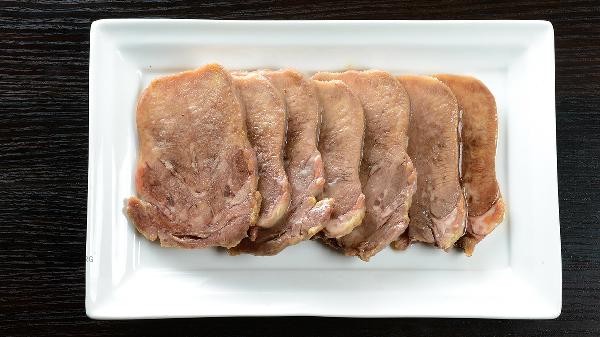
When purchasing pork, it is recommended to choose fresh products with a bright red and glossy color, and white fat, and store them in refrigeration for no more than 3 days. Do not consume meat with abnormal color or altered odor, as slight spoilage may also contain pathogenic bacteria. It is recommended to pack the meat separately and store it frozen. Before cooking, fully thaw and thoroughly heat it. After processing the raw meat, clean the cutting tools and cutting board in a timely manner. If you accidentally consume spoiled pork and experience symptoms such as abdominal pain and diarrhea, seek medical attention promptly.








Comments (0)
Leave a Comment
No comments yet
Be the first to share your thoughts!