
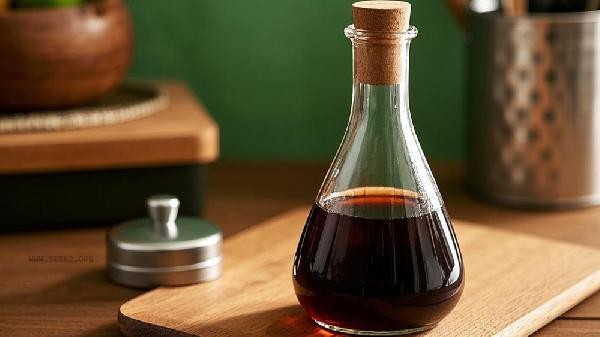
Aged vinegar usually presents a dark brown or brownish red color, and the depth of color depends on the raw materials, fermentation process, and aging time. There are mainly factors that affect it, such as differences in raw materials, fermentation methods, aging time, added ingredients, and storage conditions.
1. Differences in raw materials
The color of aged vinegar is greatly affected by the type and ratio of raw materials. Traditional aged vinegar is mainly made from sorghum, and the natural pigments in sorghum are gradually released during the fermentation process, forming a dark brown color tone. Some aged vinegar will add auxiliary materials such as glutinous rice and wheat, and the starch and protein in these grains undergo Maillard reaction during fermentation, further deepening the color of the vinegar. Shanxi aged vinegar often has a darker color than aged vinegar from other regions due to the use of special varieties of sorghum.
2. Fermentation Method
Solid state fermentation process will make the color of aged vinegar more intense. During the months long fermentation process, the microbial community in the vinegar mash continuously decomposes the raw materials, producing brown substances such as black semen. Liquid fermented vinegar has a relatively light color, but the ideal reddish brown color can also be achieved by extending the fermentation period or using multi strain collaborative fermentation. Some traditional crafts preserve the sediment in the vinegar mash, resulting in a cloudy deep amber color in the finished product.
III. Aging Time
The color of aged vinegar deepens with increasing aging time. Newly brewed vinegar usually has a light amber color. After more than a year of aging in pottery jars, the components in the vinegar undergo oxidative polymerization reactions, gradually transforming into a brownish red color. Aged vinegar over five years old may exhibit reddish brown or even slight wall hanging, which is a sign of complex reactions between amino acids and sugars in vinegar. However, excessive aging may cause the color to become too dark and precipitate, so it is important to distinguish between normal color changes and deterioration.
4. Adding Ingredients
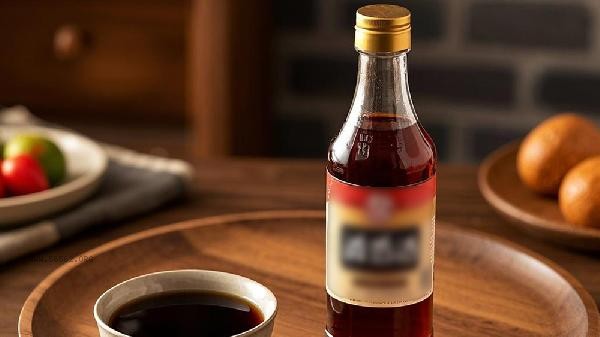
Some aged vinegar will add natural coloring agents such as caramel color to adjust the color, and these products often present a uniform reddish brown color. In traditional craftsmanship, the smoking process allows vinegar to absorb wood smoke components, forming a unique smoky color. Attention should be paid to distinguishing between naturally formed colors and artificially added pigments. High quality aged vinegar should maintain the natural color transition of the raw materials to avoid dazzling bright red or black.
V. Storage Conditions
Light and temperature can change the color of aged vinegar. Long term direct sunlight may cause vinegar to fade or produce suspended solids, while constant temperature cellar storage helps maintain a stable brown tone. When stored in ceramic containers, vinegar slowly absorbs minerals from the clay, making the color more warm and moist. If stored properly, aged vinegar in glass bottles may have a small color change, but it may gradually darken when exposed to air after opening.
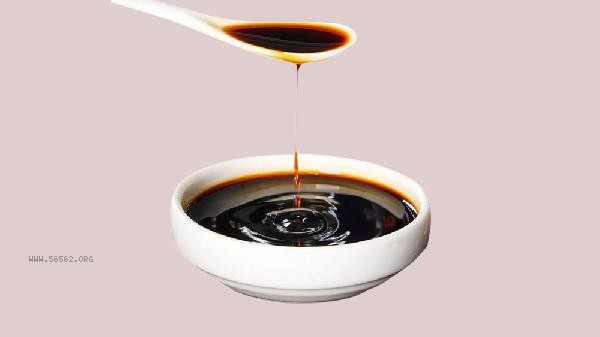
When choosing aged vinegar, there is no need to overly pursue color depth, and attention should be paid to its natural aroma and texture. High quality aged vinegar should have a transparent and glossy color, and hang evenly on the wall when shaken. Daily storage recommendations include avoiding light and sealing, and maintaining a temperature of 15-25 degrees Celsius. When cooking, dark aged vinegar is suitable for dishes that require coloring such as braised and braised dishes, while light aged vinegar is more suitable for cold dishes or dipping. If abnormal discoloration or precipitation of vinegar is found, it is recommended to stop consuming.








Comments (0)
Leave a Comment
No comments yet
Be the first to share your thoughts!