
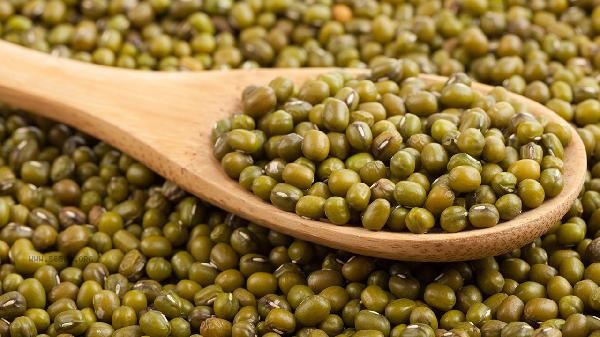
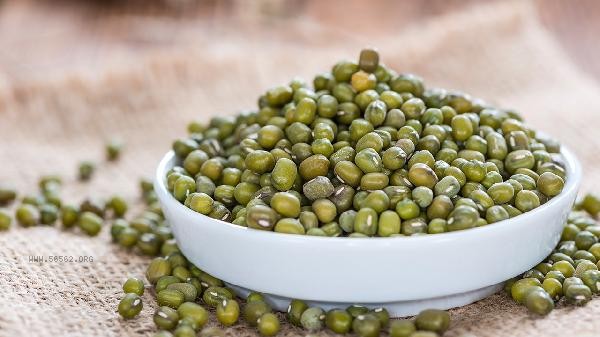
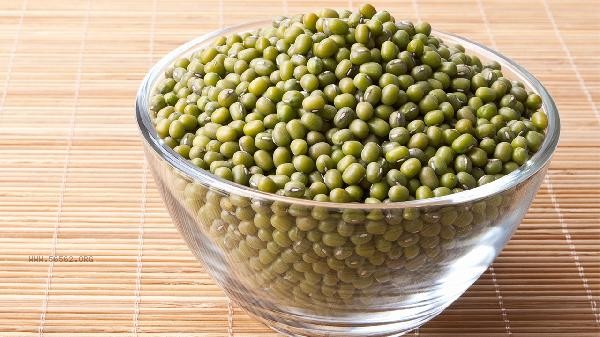
Green beans usually appear pale yellow or yellow green after being peeled. The outer skin of mung beans is dark green, and the color inside after peeling is lighter. The specific color may vary slightly depending on the variety and maturity. Green beans belong to the legume family, and their seeds are composed of seed coat and cotyledons. Seed coat is the dark green outer layer of mung beans, which is rich in dietary fiber and antioxidants. After removing the seed coat, the exposed cotyledons have a lighter color and a finer texture. This color change is due to the removal of chlorophyll from the seed coat, allowing the light yellow color of the cotyledons to appear. Different varieties of mung beans may have slightly different colors after peeling, but they are mainly light colored. In special circumstances, some mung bean varieties may appear lighter off white after peeling, which is related to the freshness and storage conditions of the beans. Green beans stored for a longer period of time may have a darker color after peeling. If oxidation reaction occurs during the processing, peeled mung beans may also show slight discoloration. After peeling, mung beans still have rich nutritional value, containing high-quality protein, B vitamins, and various trace elements. Peeled mung beans are easier to digest and absorb, making them suitable for making foods such as bean paste and pastries. It is recommended to choose whether to peel according to cooking needs. Keeping the seed coat can obtain more dietary fiber, and peeling will result in a more delicate taste. When storing peeled mung beans, attention should be paid to sealing and moisture prevention, avoiding direct sunlight to maintain their natural color.








Comments (0)
Leave a Comment
No comments yet
Be the first to share your thoughts!