
The bitter tofu may be related to excessive coagulant, undercooked soybean milk, water quality problems, improper storage or bean deterioration. The bitterness of tofu is usually caused by operational errors or raw material problems during the production process, which can be improved by adjusting the process and screening the raw materials.
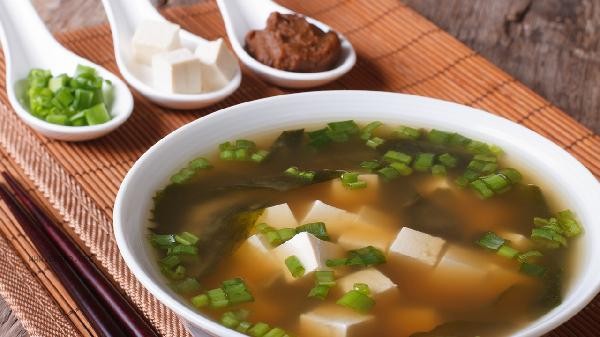
1. Excessive use of coagulants
When using coagulants such as gypsum or brine, adding more than the standard amount can cause tofu to have a noticeable bitter taste. The traditional braising process requires strict control of the proportion, as excessive coagulants can excessively bind with soy protein and produce bitter substances. It is suggested to add a small amount of coagulant in several times and observe the solidification state of soybean milk.
2. soybean milk is not cooked
When soybean milk is not thoroughly boiled, the residual trypsin inhibitor, saponins and other anti nutritional factors will cause bitterness. Soybean milk shall be continuously boiled at 95 ℃ for at least 5 minutes to eliminate the beany smell and decompose the bitter precursor. Monitoring with a thermometer can avoid false boiling phenomenon.
3. Water quality issues
High levels of calcium and magnesium ions in hard water can easily combine with soy protein to produce precipitation, and may also dissolve metal substances in pipelines, leading to odors. It is recommended to use purified water or softened water to make soybean milk, so as to avoid mineral substances in the water interfering with the tofu forming and flavor.
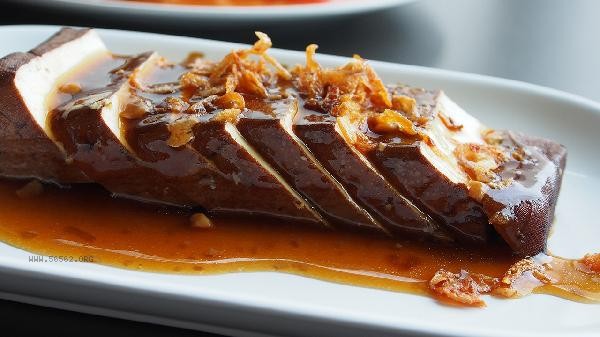
4. Improper storage
When beans become damp and moldy, or when tofu products are refrigerated for too long, lipoxygenase and microbial metabolism can produce bitter compounds. Fresh and dry soybeans should be selected, and tofu should be soaked in clean water and changed daily after production. It should be consumed within 2-3 days.
5. Bean Deterioration
Aged or worm eaten beans contain high levels of bitter amino acids and alkaloids, which will be dissolved into soybean milk during production. When selecting, moldy and wrinkled beans should be removed. After soaking new beans, they need to be washed multiple times to remove the bitter ingredients remaining in the seed coat. When making tofu, it is recommended to use high-quality soybeans harvested in the same year, soak for 8-12 hours, and change the water 2-3 times during the process to reduce tannin content. During the braising stage, maintain the ambient temperature at 70-80 ℃ and stir slowly to ensure uniform solidification. Soaking finished tofu in light salt water can extend its shelf life. If persistent bitterness is found, the raw materials and production process should be checked. Adding defoamers or adjusting pH values appropriately in traditional crafts can also help improve taste, but attention should be paid to the proper use of food additives.








Comments (0)
Leave a Comment
No comments yet
Be the first to share your thoughts!