
Foot itching may be caused by fungal infections, eczema, allergic reactions, sweat blisters, neurodermatitis, and other reasons. When scratching becomes more itchy, follow the doctor's advice to use medications such as benzimidazole cream, triamcinolone acetonide and econazole cream, terbinafine hydrochloride cream, compound ketoconazole cream, mometasone furoate cream, etc. It is recommended to seek medical attention promptly to identify the cause and avoid exacerbating symptoms through scratching.
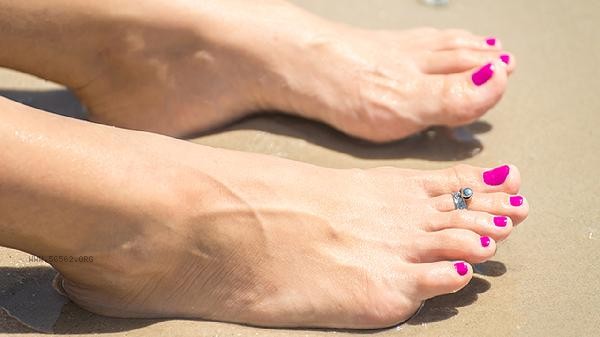
1. Fungal infection
Tinea pedis is the most common cause of foot itching, caused by fungi such as Trichophyton rubrum. Manifesting as peeling and blisters on the toe crevices accompanied by severe itching, scratching can lead to the spread of fungi. In addition to benzimidazole cream, it is important to keep the feet dry and breathable. Five finger socks can be chosen to reduce friction between the toes. Patients with diabetes are more likely to suffer from secondary infection, which requires special attention.
2. Eczema
Contact with detergents or metal jewelry may induce contact eczema, manifested as symmetrical erythema and papules. Triamcinolone acetonide and econazole cream are suitable for patients with mild infections, while hydrocortisone butyrate cream can be used for pure eczema. Wearing pure cotton socks and avoiding hot water washing can alleviate symptoms.
3. Allergic reactions
Insect bites or food allergies may cause foot urticaria, characterized by sudden wheal like rash. Terbinafine hydrochloride cream is ineffective and requires oral administration of loratadine tablets. Repeated episodes require screening for allergens, which are common during pollen season or after consuming seafood.

4. Sweat blisters
In summer, people with a sweaty constitution are prone to dense small blisters on the soles of their feet. Compound ketoconazole ointment can alleviate secondary infections. Wearing breathable mesh shoes and soaking feet in alum can reduce recurrence. This disease is related to mental stress, and regulating emotions can help improve it.
5. Neurodermatitis
Long term scratching can lead to thickening of the skin and the formation of lichenoid changes. Mometasone furoate cream should be used in conjunction with urea ointment. Wear cotton gloves at night to prevent unconscious scratching, and in severe cases, apply cold compress or phototherapy. This type of itching has obvious psychological factors.

It is recommended to choose cotton socks with good sweat absorption in daily life, replace them daily, and wash them with hot water at or above 60 degrees Celsius. Avoid sharing slippers, nail clippers, and other items with others. The water temperature for soaking feet should not exceed 40 degrees Celsius, and the time should be controlled within 15 minutes. If itching persists for more than two weeks or suppuration occurs, fungal microscopy and blood routine examination should be performed. Those with basic diseases such as diabetes and immunodeficiency should go to dermatology department for systematic treatment as soon as possible.




Comments (0)
Leave a Comment
No comments yet
Be the first to share your thoughts!