
Cucumber bitterness is usually caused by high levels of cucurbitacin C or environmental factors. The main reasons include variety characteristics, growth environment stress, improper cultivation management, abnormal fruit maturity, and poor storage conditions.
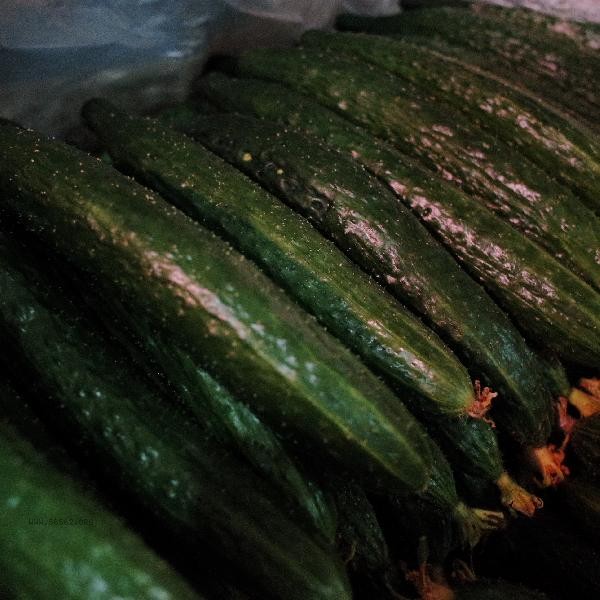
1. Variety Characteristics
Some cucumber varieties themselves contain high concentrations of cucurbitacin C, a natural compound that gives the fruit a bitter taste. Wild cucumbers or certain traditional varieties have strong expression of bitter taste genes, while modern breeding techniques have significantly reduced the bitterness content of cultivated varieties. Choosing improved sweet varieties can effectively avoid bitterness problems.
2. Environmental stress
High temperature, drought, strong light exposure, or excessive temperature difference between day and night can stimulate cucumber synthesis of cucurbitacin. When water supply is insufficient, plants protect themselves by increasing bitter substances. Sudden exposure to sunlight after prolonged rainy weather can also lead to the accumulation of bitterness. Keeping the soil moist and providing moderate shade can reduce environmental stress.
3. Cultivation Management
Excessive nitrogen fertilizer can inhibit sugar accumulation and highlight bitterness, while insufficient potassium fertilizer can affect material metabolism balance. Continuous cropping obstacles lead to a lack of trace elements in the soil, especially boron deficiency, which can interfere with the normal development of cucumbers. Reasonable crop rotation and balanced fertilization can improve fruit flavor.
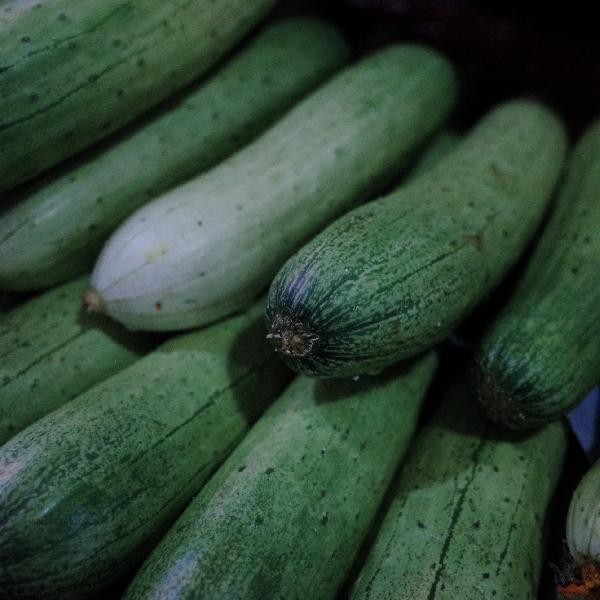
4. Abnormal Maturity
Over ripe cucumber fruit stalks are prone to accumulating bitter substances, and immature fruits may also become bitter due to incomplete development. Picking too early or too late can affect the flavor, and should be harvested in a timely manner when the fruit is full but not excessively swollen.
5. Improper storage
Refrigeration temperature below 10 degrees Celsius may cause cold damage, leading to cell membrane damage and release of bitter components. Mixing with ethylene releasing fruits can accelerate quality deterioration. It is recommended to wrap them in plastic wrap and store them separately in a cool place to avoid low-temperature frostbite.
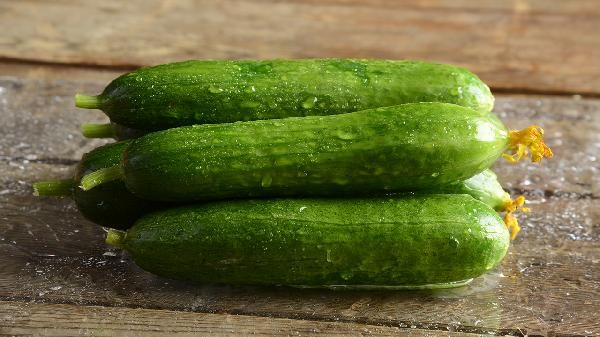
Before consuming bitter cucumbers, the stem end of the fruit can be removed by 1-2 centimeters, and this part has the highest concentration of cucurbitacin. Mild bitterness can be reduced by salting or blanching, but excessive bitterness should be avoided as it may cause gastrointestinal discomfort. Pay attention to the freshness of the melon stem when making daily purchases. Fruits with dents or yellow spots on the surface may have accumulated bitter substances. Maintain a balanced diet. If symptoms such as nausea occur after accidentally eating bitter gourd, it is recommended to drink warm water and temporarily fast for observation.








Comments (0)
Leave a Comment
No comments yet
Be the first to share your thoughts!