
White spots on rice grains are usually a normal phenomenon of embryo residue or starch deposition, or they may be early signs of mold growth caused by improper storage. The main reasons include incomplete removal of germ, aggregation of starch granules, local dehydration of rice grains, early fungal contamination, and mechanical damage during processing.
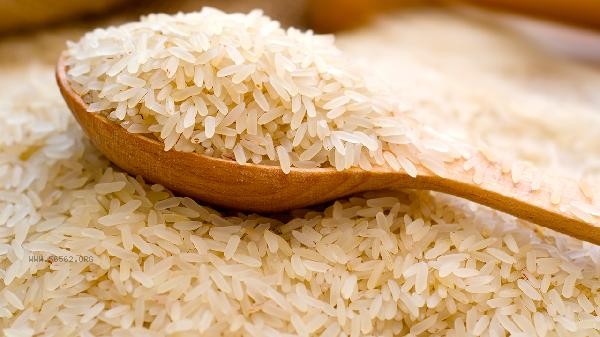
1. Incomplete removal of germ
If the polishing is not thorough during rice processing, the germ part may remain and form white dots. The embryo is rich in vitamin B and minerals, and this white spot is harmless to the human body and has high nutritional value. It is more common to choose brown or semi brown rice with retained germ, which is a normal phenomenon caused by differences in processing technology.
2. Starch Particle Aggregation
During the drying process, starch inside rice may crystallize locally, forming visible white spots. This situation often occurs in aged rice or rice stored in environments with high humidity fluctuations, which does not affect food safety. However, after cooking, the transparency of the rice grains may be slightly reduced and the taste may become slightly hard.
3. Local dehydration of rice grains
Uneven drying can lead to rapid loss of surface moisture of rice grains, forming white concave spots. Commonly found in rice grains exposed to high temperatures during the drying process, or in bulk rice exposed to dry environments for a long time. These white spots are usually irregularly distributed, and it is recommended to change the water multiple times during rice washing to help the rice grains fully absorb water.
4. Early fungal contamination
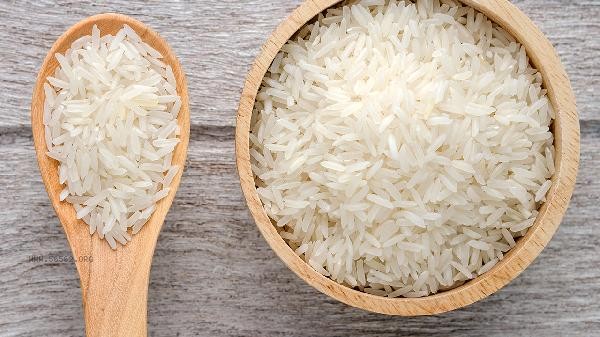
When stored in a humid environment, some rice grains may be slightly infected by fungi to form white spots. Early moldy white spots are often accompanied by a slight odor, and the surface of rice grains may become sticky. If such a situation is found, the entire batch of rice should be exposed to sunlight, and in severe cases, it should be discarded to avoid the risk of aflatoxin contamination.
Fifth, damage to processing machinery
Excessive polishing of rice mills may cause damage to the surface of rice grains, resulting in starch overflow and the formation of white spots. These types of white spots are mostly distributed in a strip shape and are commonly found in low-priced rice. Although it does not affect consumption, damaged areas are more prone to moisture absorption and spoilage. It is recommended to store in a sealed container and consume as soon as possible.
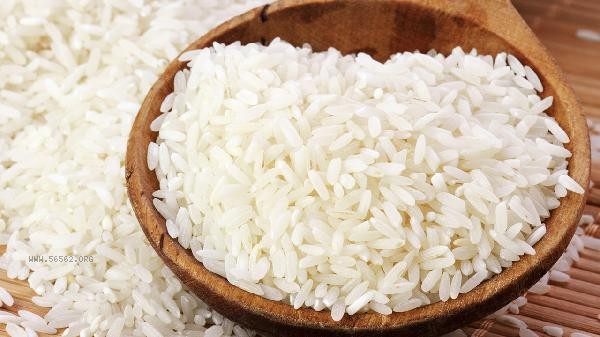
Daily storage of rice should be done in a cool and dry environment, using sealed containers to prevent moisture absorption. If white spots are found in the rice grains, you can first observe whether they fade by washing, and then check for any odor after cooking. If the white spots are accompanied by a moldy smell or green black mycelium, consumption must be stopped immediately. Regularly purchasing fresh small packaged rice to avoid long-term hoarding can effectively reduce the occurrence of abnormal rice grains. Thoroughly washing before cooking can not only remove surface impurities, but also help determine the quality of rice.








Comments (0)
Leave a Comment
No comments yet
Be the first to share your thoughts!