
The main weight loss methods for fruits and vegetables include controlling total calorie intake, choosing low sugar and high fiber fruits and vegetables, pairing protein reasonably, avoiding high calorie cooking methods, and maintaining a diversified diet. Scientifically combining fruits and vegetables can help reduce fat accumulation while supplementing vitamins and minerals.
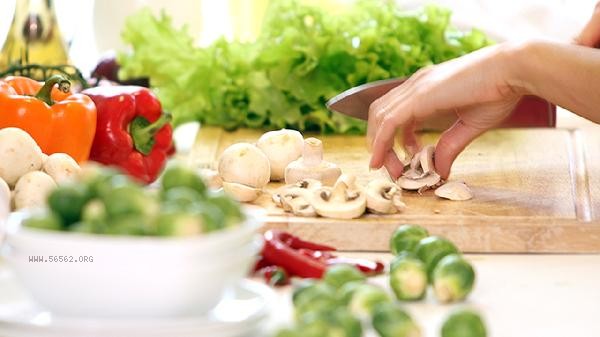
1. Control total calorie intake
Weight loss requires ensuring that daily calorie consumption exceeds intake, and it is recommended to replace some staple foods with fruits and vegetables. For example, using non starch vegetables such as broccoli and spinach instead of rice, and using low sugar fruits such as apples and strawberries instead of desserts. Note that the daily intake of fruits should not exceed 300 grams to avoid excessive conversion of fructose into fat.
2. Choose low sugar, high fiber fruits and vegetables
Prioritize vegetables with high moisture content such as cucumbers, tomatoes, celery, as well as low glycemic index fruits such as blueberries and pomelos. Dietary fiber can slow down gastric emptying and increase satiety. Avoid high sugar fruits such as durian and lychee, as their sugar content may exceed the recommended daily intake.
3. Reasonable protein pairing
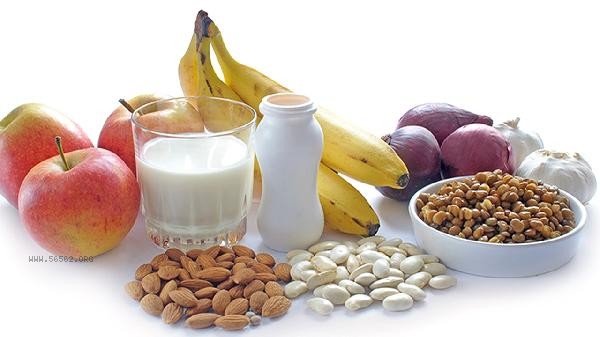
Relying solely on fruits and vegetables may lead to protein deficiency. It is recommended to pair with high-quality proteins such as chicken breast and fish. For example, making a salad with kale and salmon, or cooking spinach and eggs together. Protein helps maintain muscle mass and prevent a decrease in basal metabolic rate.
4. Avoid high calorie cooking methods
It is recommended to use low oil cooking methods such as cold mixing, steaming, and blanching for vegetables, and to consume fruits directly as much as possible. Avoid making fruits and vegetables into juice (losing dietary fiber), deep frying (increasing oil intake), or sugar stains (adding refined sugar). In special circumstances, a small amount of olive oil can be used to stir fry dark vegetables quickly to improve the absorption rate of fat soluble vitamins.
5. Maintain a diversified diet
It is recommended to consume at least 5 different colored fruits and vegetables daily, such as red tomatoes, purple cabbage, green broccoli, etc. Different colors represent different plant nutrients, such as lycopene and anthocyanins, which have antioxidant effects. Long term consumption of a single vegetable or fruit may lead to nutritional imbalance.

When implementing the fruit and vegetable weight loss method, it is important to pay attention to gradual progress, as sudden and significant reductions in staple foods may lead to hypoglycemia. It is recommended to lose no more than 1 kilogram per week and combine it with 30 minutes of aerobic exercise daily for better results. When experiencing fatigue, dizziness, and other discomforts, it is necessary to adjust the diet structure in a timely manner and consult a nutritionist to develop personalized plans if necessary. During weight loss, it is recommended to drink 1500-2000 milliliters of water per day. Adequate sleep can help regulate leptin secretion.








Comments (0)
Leave a Comment
No comments yet
Be the first to share your thoughts!