
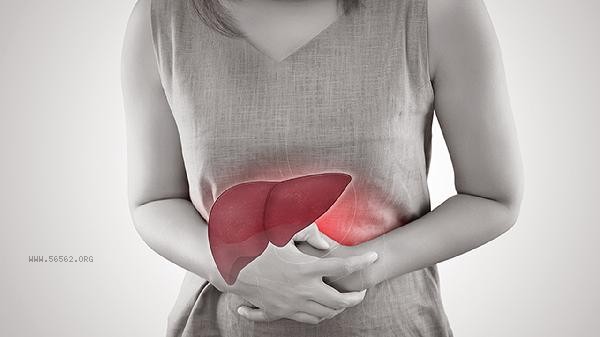
Fatty liver weight loss methods mainly include adjusting dietary structure, increasing exercise, controlling alcohol consumption, medication treatment, surgical treatment, etc. Fatty liver may be related to obesity, long-term alcohol consumption, high-fat diet, and other factors, usually manifested as symptoms such as fatigue and discomfort in the liver area.
1. Adjust dietary structure
Reduce the intake of high-fat and high sugar foods, and increase the intake of vegetables, fruits, whole grains, and high-quality protein. Avoid fried foods, sweets, sugary drinks, etc. Moderate consumption of foods rich in unsaturated fatty acids, such as deep-sea fish, nuts, etc. Control daily total calorie intake and maintain nutritional balance.
2. Increase physical activity
Engage in at least 150 minutes of moderate intensity aerobic exercise per week, such as brisk walking, swimming, cycling, etc. Combining strength training to increase muscle mass and improve basal metabolic rate. Exercise should be gradual and avoid overexertion. Persisting in exercise can help reduce weight and improve fatty liver.
3. Control alcohol consumption
Alcohol is an important factor leading to fatty liver, and drinking should be strictly restricted or stopped. Men's daily alcohol intake should not exceed 25 grams, and women's should not exceed 15 grams. Long term heavy alcohol consumption can lead to alcoholic fatty liver, which can develop into cirrhosis in severe cases. Abstinence from alcohol can help reverse early fatty liver disease.
4. Medication therapy
Under the guidance of a doctor, liver protective drugs such as silibinin capsules, compound glycyrrhizin tablets, polyene phosphatidylcholine capsules, etc. can be used. These drugs help improve liver function and promote liver cell repair. Drug therapy should be combined with lifestyle adjustments and should not rely solely on medication.
5. Surgical treatment
For patients with severe obesity and fatty liver, weight loss surgery such as sleeve gastrectomy and gastric bypass surgery may be considered. Surgery can effectively reduce weight and improve metabolic abnormalities. Surgical treatment requires strict evaluation of indications and contraindications, and long-term lifestyle management is still necessary after surgery. Patients with fatty liver should establish a healthy lifestyle and regularly monitor liver function, blood glucose, blood lipids, and other indicators. To avoid rapid weight loss, it is advisable to lose 0.5-1 kilogram per week. Maintain sufficient sleep, reduce stress, quit smoking and limit alcohol consumption. If there is abnormal liver function or worsening symptoms, seek medical attention promptly. Long term adherence to healthy eating and exercise habits is the key to improving fatty liver.








Comments (0)
Leave a Comment
No comments yet
Be the first to share your thoughts!