
The main storage methods for fruits include refrigeration, room temperature ventilation, vacuum sealed storage, frozen cutting, and post ripening storage.
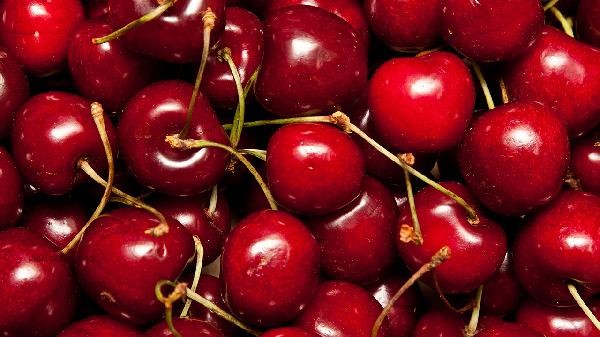
1. Refrigerated storage
Most fruits are suitable for refrigerated storage, and controlling the temperature at 4-8 degrees Celsius can slow down the ripening speed. Berries such as strawberries and blueberries should be kept dry and stored in a fresh-keeping box, while citrus fruits can be packed in breathable mesh bags to prevent mold growth. There is no need to clean before refrigeration, as moisture on the skin will accelerate spoilage. Tropical fruits such as bananas and mangoes are not suitable for refrigeration, as low temperatures can cause frostbite and blackening.
2. Room temperature ventilation
Immature fruits are suitable for storage in a cool and ventilated place. Apples and pears can be placed in bamboo baskets to avoid squeezing, while papaya and pineapple should be placed upside down to reduce bottom pressure. Ethylene sensitive fruits such as kiwi should be placed separately from apples, as the ethylene released by mature fruits can accelerate the ripening of other fruits. Regular inspection and removal of rotten fruits can prevent cross contamination.
3. Vacuum sealed
Fruits that have been nucleated and cut into pieces are suitable for vacuum sealed storage. Using food grade sealed bags to vacuum and refrigerate can extend the shelf life by 3-5 days. Soaking apple slices and banana chunks in diluted salt water and vacuum packaging can prevent oxidation and discoloration. Vacuum preserved fruit pulp is suitable for making yogurt toppings or baking ingredients, and should be consumed within 24 hours after opening.
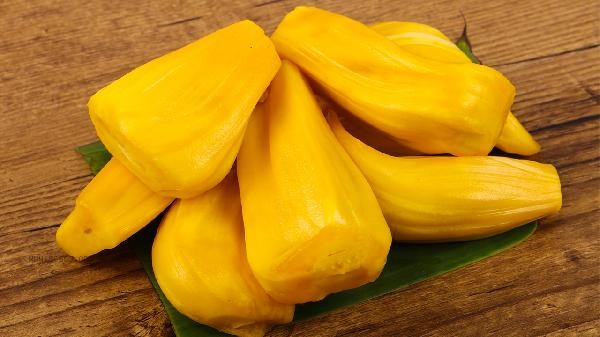
4. Cut and freeze
Soft fruits such as mangoes and durians, cut and freeze them flat, then transfer them to sealed bags for storage for 2-3 months. Sprinkle a small amount of lemon juice before freezing to maintain color, divide into single doses to avoid repeated thawing. Freezing berries directly into puree is more convenient for use, and the flesh becomes soft after thawing, making it suitable for making jam or smoothie drinks.
5. After ripening, fruits purchased in a green and hard state need to be ripened first. Kiwi avocado and apple can be sealed in the same bag to accelerate softening, while papaya and Shakya can be evenly heated by wrapping them in newspaper and placing them in a rice bowl. After reaching the ripening standard, transfer to the vegetable and fruit compartment of the refrigerator, where fructose is fully converted and the sweetness is optimal. Fruits with stems, such as grapes and lychees, can be stored with stems to slow down shedding and decay.
Different types of fruits have significant differences in sensitivity to humidity and temperature. Citrus fruits have strong storage tolerance of up to 2-4 weeks, while berries can only be stored for 3-5 days. Remove the plastic packaging film before storage to prevent condensation from accumulating. Ceramic jars or kraft paper bags are more breathable than plastic bags. Regularly organize storage space and prioritize consuming fruits that are nearing their expiration date. Perishable fruits such as bananas and apples can be processed into dried fruits to extend their consumption cycle. Homemade jam requires boiling and disinfecting containers to ensure food safety.








Comments (0)
Leave a Comment
No comments yet
Be the first to share your thoughts!