
Drinking milk and tea together usually does not produce significant side effects, but may affect some nutrient absorption and gastrointestinal function. Tannic acid in tea may bind with protein in milk to reduce calcium absorption, lactose intolerant individuals may experience bloating, and caffeine sensitive individuals should pay attention to their consumption. After mixing milk with tea, tea polyphenols will combine with casein in milk to form precipitates, which may weaken the antioxidant effect of tea and slow down the digestion rate of milk protein. From a nutritional perspective, the combination of calcium and tannic acid may decrease the bioavailability of calcium, but the actual degree of impact varies from person to person. People with weaker gastrointestinal function may experience temporary indigestion after drinking, especially cold drinks that can irritate the gastric mucosa. When black tea is paired with whole milk, the fat may encapsulate tea polyphenols, making it more prone to digestive delay compared to green tea.

In special circumstances, drinking a large amount of strong tea mixed with milk may interfere with iron absorption. Anemic patients should pay attention to staggered drinking times. Some people have low tolerance to dairy products and theophylline, and may experience palpitations or insomnia. The addition of sugar in milk tea will increase the metabolic burden, and diabetes patients should control their intake. Traditional Hong Kong style milk tea uses high-temperature brewing and tea pulling techniques, which can partially decompose tannic acid and are more suitable for long-term consumption than direct mixing.
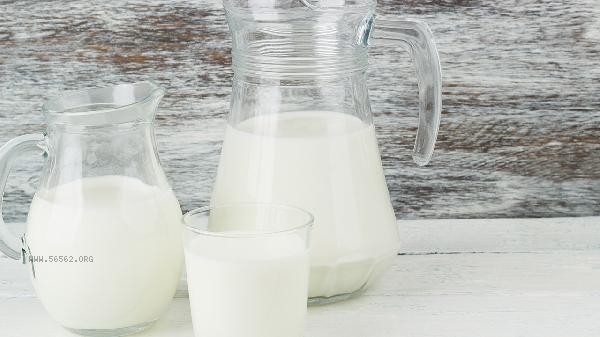
It is recommended to avoid drinking milk tea on an empty stomach to reduce gastrointestinal irritation, and drinking between meals is more conducive to nutrient absorption. Choosing low caffeine tea varieties such as white tea and herbal tea, paired with low-fat milk, can reduce digestive burden. When drinking daily, control the single dose within 200 milliliters and observe the frequency of body reactions and adjustments. Children, pregnant women, and the elderly can prioritize using fermented dairy products in combination with light tea. If necessary, consult a nutritionist to develop a personalized dietary plan. Pay attention to maintaining dietary diversity and not overly relying on a single beverage combination.








Comments (0)
Leave a Comment
No comments yet
Be the first to share your thoughts!